MMA LAW are leading expert Benefit Fraud Solicitors who specialise in defending cases of alleged Benefit Fraud and other cases of serious and complex fraud.
Benefit fraud allegations can escalate quickly if they’re not handled properly, affecting your finances, family life, and mental wellbeing. The most important thing to understand is this: you must act early. Waiting, hoping it will go away, or trying to explain things alone can make the situation worse.
At MMA Law, our specialist benefit fraud defence team supports clients across all stages of DWP and council investigations. Whether you’re facing a suspected overpayment, an Interview Under Caution, or allegations of dishonesty, we provide calm guidance, clear explanations, and strong legal protection when you need it most.

If you’ve just opened a letter from the DWP or your local council accusing you of benefit fraud, the shock can feel immediate - and frightening. Many people only realise how serious things are when the word investigation appears on the page. In the UK, benefit fraud solicitors are often contacted at this exact moment: when someone is terrified about losing their income, facing an Interview Under Caution, or worrying that a simple mistake could lead to criminal prosecution.
Early legal advice protects your rights from the very first contact with investigators. It helps prevent misunderstandings, avoids harmful assumptions, and ensures nothing is said (or left unsaid) that could be used against you later.
Benefit fraud investigations cover many different situations, and most begin long before a person realises anything is wrong. The examples below can help you understand why the DWP or your local council may have contacted you.
All of these situations can appear serious, but many involve misunderstandings, unclear guidance, or genuine mistakes. A solicitor can help clarify what has happened and ensure the investigation remains fair.

Benefit fraud happens when someone is accused of wrongly claiming benefits or failing to report information that would affect the amount they receive. In simple terms, the DWP or a local authority believes a person has gained money they were not entitled to.
Under the Fraud Act 2006 and the Social Security Administration Act, benefit fraud usually involves an allegation of either:
It is important to understand that not every case involves deliberate dishonesty. Many investigations start because of:
Being investigated does not mean you will be prosecuted by the CPS or taken to court. A solicitor can help clarify what has happened, challenge incorrect assumptions, and ensure the process is fair from the start.
A benefit fraud investigation can feel frightening, especially when you do not know why it started. The DWP, local authority fraud teams, or compliance officers may launch an investigation for several reasons, many of which have nothing to do with wrongdoing.
Common triggers include:
Government systems compare information across departments. If something doesn’t match (such as income, savings, or employment) it may flag your claim automatically.
Anyone can report suspected fraud, including neighbours, ex-partners, or employers. These reports are unverified and often inaccurate.
The DWP may receive information from banks, employers, or HMRC showing income or savings you did not report. Sometimes this data is out of date or misinterpreted.
Posts or photos can be misread, especially in PIP or ESA investigations. A single image rarely reflects someone’s day-to-day capability.
Differences between applications, renewals, and evidence can trigger a review.
Random checks happen as part of routine monitoring.
Not all investigations involve dishonesty. Many arise from mistakes, system errors, or misunderstandings. A solicitor’s role is to protect your rights, ensure fairness, and challenge inaccurate assumptions from the start.
A DWP Interview Under Caution (IUC) is one of the most stressful parts of a benefit fraud investigation. It is carried out under PACE rules because the DWP believes a criminal offence may have been committed.
The interview starts with the caution: “You do not have to say anything, but it may harm your defence if you do not mention when questioned something you later rely on in court.”
In simple terms, anything you say (or fail to say) can be used as evidence.
During the interview:
Having a solicitor with you is essential. A solicitor ensures you do not answer unfair questions, helps you avoid misunderstandings, and protects your legal position.
Our Fraud Solicitors can attend Interviews Under Caution at short notice, providing calm, clear guidance throughout the process.
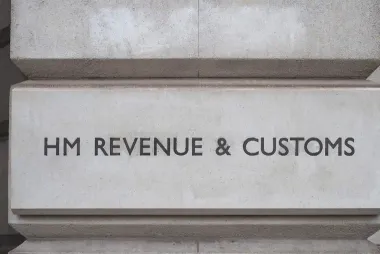
Many people fear the worst when they receive a letter about an overpayment, but an overpayment is not the same as benefit fraud. Understanding the difference can ease a lot of anxiety.
An overpayment happens when the DWP or local authority pays you more than you were entitled to. This can occur for several innocent reasons, including administrative errors, delays in updating information, or unclear forms. In these situations, there is no accusation of dishonesty.
Benefit fraud, however, requires proof of deliberate dishonesty. This includes things such as knowingly providing false information or failing to disclose something important.
The outcomes are very different:
Most overpayments are simple mistakes, not crimes. If you acted in good faith, you are not automatically guilty of fraud. A solicitor can help you challenge incorrect DWP decisions, negotiate repayment, and protect you from unfair accusations.
For someone to be convicted of benefit fraud, the prosecution must meet strict legal tests. This is important because it means many investigations do not lead to charges, and many charges do not lead to conviction.
To prosecute, the CPS must prove that:
A key part of this assessment is the Ivey dishonesty test, which asks two simple questions:
This means your intentions and circumstances matter greatly.
At MMA Law, we carry out detailed evidence review to challenge weak accusations, expose assumptions, and highlight misunderstandings. Many cases collapse because the prosecution cannot prove deliberate dishonesty. We’re Middlesbrough based solicitors, that cover the North East and across the entire UK. If you need help with fraud charges - get in touch.
Benefit fraud cases can feel overwhelming, especially when people fear imprisonment. While penalties can be serious, not all cases lead to prison, and many are resolved through repayment or alternative sentences.
Possible outcomes include:
Under Sentencing Council guidelines, the court will look at several factors, including:
The court may also consider POCA confiscation or compensation orders in certain cases.
Strong legal mitigation can make a substantial difference - reducing penalties, avoiding prosecution, or preventing custody. A specialist solicitor can present your circumstances fairly and ensure the court understands the full picture.

Being accused of benefit fraud is frightening, but there are many valid defences — and most rely on showing that there was no dishonesty, no intention to deceive, or that the evidence is flawed. At MMA Law, we build strong, strategic cases tailored to each client’s circumstances, ensuring your side of the story is properly heard.
We commonly defend clients by showing:
A client accused of “working while claiming” was facing prosecution based on a payroll record. Evidence analysis showed the employer had incorrectly used their National Insurance number. The case was dropped.
Another client investigated for PIP fraud due to social media posts was cleared when medical evidence demonstrated their fluctuating condition.
Early legal help is essential. The sooner MMA Law becomes involved, the stronger your defence will be. And the greater the chance of avoiding prosecution altogether.
Benefit fraud investigations can have a deep emotional and practical impact, often long before any decision is made. Many clients tell us they feel frightened, judged, and unsure of what will happen next. Especially when their only income is at risk.
Investigations by the DWP or local authority can affect ongoing claims, sometimes leading to suspension, reduced payments, or delays in receiving essential support such as Universal Credit, Housing Benefit, PIP, or ESA. This can create immediate financial stress, making it difficult to manage rent, bills, and day-to-day living costs.
The pressure doesn’t stop there.
People often experience significant anxiety, sleep problems, and strain at home, particularly when caring for children, disabled family members, or managing their own health conditions. Many feel ashamed or fearful of the future, even when they have done nothing wrong.
A specialist fraud solicitor can make a crucial difference. MMA Law helps you:
Our approach is calm, supportive, and completely non-judgmental. Anyone can make a mistake, and everyone deserves a fair process.
Benefit fraud is when someone deliberately provides false information or fails to report a change that affects their benefits. This usually involves dishonesty, which must be proven by the DWP or local authority.
Examples include working while claiming, failing to disclose savings, or misstating living arrangements.
However, many cases arise from mistakes, confusion about rules, or administrative errors - not deliberate fraud. A solicitor can help clarify what applies to your situation and challenge incorrect allegations.
Yes, you can go to prison for benefit fraud, but only in the most serious cases where deliberate dishonesty and high overpayments are proven. Sentencing depends on factors such as:
Most cases lead to repayment, administrative penalties, or community-based sentences, not custody. With early legal advice and strong mitigation, the chance of prison is significantly reduced.
A DWP interview under caution is a formal, recorded interview carried out under PACE rules, meaning anything you say can be used as evidence.
You will hear the caution (“You do not have to say anything…”) and investigators will ask questions about income, living arrangements, health, or work.
During the interview:
Attending with a solicitor ensures your rights are protected and prevents misunderstandings that could harm your case.
Yes, benefit fraud investigations can be dropped if evidence is weak, incomplete, or does not prove dishonesty. Common reasons include:
A solicitor can challenge the DWP’s interpretation, request disclosure, and present mitigation to prevent escalation to prosecution.
Yes, the DWP can check bank accounts in benefit fraud investigations, especially in cases involving suspected undeclared income or savings. They may access information through:
The DWP does not monitor accounts routinely. Checks usually happen only when an investigation has been triggered. Legal advice helps ensure they interpret financial records fairly and accurately.
The DWP can investigate benefit fraud as far back as necessary, with no fixed time limit. For overpayments not involving fraud, six years is typical for recovery, but dishonesty allegations allow deeper reviews.
They may look into:
A solicitor can challenge unreasonable requests and ensure the investigation stays proportionate.
If you’ve been overpaid, you will usually need to repay the amount, but this does not mean you have committed fraud. Overpayments can happen because of:
Possible outcomes include:
A solicitor can check whether the overpayment calculation is correct and whether you are genuinely responsible.
Benefit fraud investigations typically take three to twelve months, but complex cases can take longer. The timeline depends on:
Delays are common because DWP and local authority fraud teams handle large caseloads. A solicitor can push for updates, challenge delays, and prevent the case progressing unnecessarily.

Facing a benefit fraud investigation is overwhelming, but you do not need to deal with it alone. MMA Law provides experienced, hands-on support from the very beginning, ensuring your case is handled with care, accuracy, and strategic expertise.
Our solicitors offer:
We are here to protect your rights, reduce your stress, and fight for the best possible outcome.
We will assess your eligibility for Legal Aid and if you are not eligible, we will provide you with an agreed fee to represent you to conclusion of your case.
Get Your Free ConsultationNeed urgent legal advice?
© Copyright 2018 - 2026 MMA LAW in association with BBNM LAW