Discreet, Specialist Defence Across the UK
Accused of blackmail or extortion? These serious allegations can devastate reputations and careers in moments. You need immediate, confidential legal support from solicitors who understand the stakes and know how to protect your future.
MMA Law are trusted experts in defending blackmail and extortion cases nationwide. With decades of specialist experience and a discreet, no-judgement approach, we act fast to safeguard your rights—wherever you are in the UK.
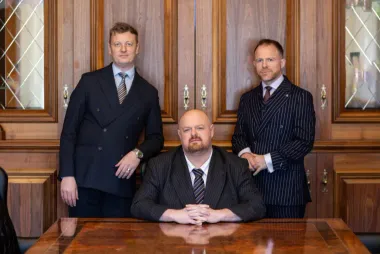
If you are under investigation, arrested, or charged with blackmail or extortion, you need specialist advice immediately. These cases are often sensitive and complex, with serious consequences for your freedom, career, and reputation.
You should never face questioning or legal proceedings alone. Every detail matters—and the right solicitor can make all the difference from day one.
At MMA Law, we act quickly and discreetly to protect your interests and give you clear, practical guidance in complete confidence.
Don’t delay. Get expert defence and confidential support now.
Your first conversation with us is always free, private, and completely judgement-free. We know how stressful these allegations are, so you can expect a supportive, discreet approach at every stage.
Appointments are available:
We’re here for you wherever you are in England or Wales.
Our main office is in Middlesbrough, but MMA Law regularly defends clients in blackmail and extortion cases across England and Wales.
We use secure technology to provide fast, expert support—no matter your location.
Whether you’re in London, Manchester, Birmingham, or anywhere else in the UK, you’ll receive the same high standard of legal defence and client care.

Blackmail and extortion are serious criminal offences in the UK, prosecuted under Section 21 of the Theft Act 1968. These cases involve threats or demands—often with devastating personal and professional consequences for those accused. Understanding the law, and how different types of blackmail are prosecuted, is essential if you are facing investigation.
Under Section 21, blackmail is committed when a person makes an unwarranted demand with menaces, intending to gain for themselves or cause loss to another. “Menaces” means threats—these do not have to be physical; emotional, financial, or reputational threats also count.
Key elements include:
Blackmail is punishable by up to 14 years in prison.
While “extortion” is not a specific statutory offence in England and Wales, the term is often used to describe blackmail-like behaviour - obtaining something (usually money or assets) through coercion, threats, or intimidation.
Extortion can cover both traditional blackmail and related offences such as demanding money to prevent disclosure of private information or threats involving property or physical harm.
For a conviction, the prosecution must show:
Blackmail and extortion can take many forms. Typical real-world scenarios include:
Both in-person and online offences are now common—and police, prosecutors, and courts treat digital threats just as seriously as face-to-face blackmail.
The internet and social media have made blackmail and extortion more sophisticated. MMA Law regularly defends clients accused of:
These cases often require forensic analysis of digital evidence and a strategic legal defence to challenge the reliability and context of the alleged threats.
When you are accused of blackmail or extortion, your future and reputation may feel at risk from the very start. At MMA Law, we know how distressing these situations can be. Our promise is simple: you will never face this alone. We provide practical, discreet, and robust defence at every stage, focused on protecting you and achieving the best possible outcome.
Getting specialist legal advice right away can make a real difference to your case. If you are arrested, asked to attend a police interview, or contacted by investigators, call us immediately. We’ll be by your side—day or night.
We make sure:
Many of our clients have avoided charges or had their cases dropped altogether thanks to early, expert intervention.
Today’s blackmail and extortion cases often involve digital evidence: messages, emails, social media, and even cryptocurrency records. MMA Law understands how to challenge this kind of evidence and build a strong defence for you.
Our approach includes:
This meticulous approach can expose weaknesses in the prosecution’s case and has helped clients secure acquittals or significant reductions in penalties.
Not all cases are the same. Blackmail and extortion offences can be heard in the Magistrates’ Court or, for more serious or complex matters, the Crown Court.
We guide you through every step, explain what to expect, and prepare a robust defence tailored to your situation.
You can rely on us for:
We are committed to protecting your reputation, your freedom, and your peace of mind throughout the entire process.
Navigating the criminal justice system can feel overwhelming, especially with a serious allegation like blackmail or extortion. Here’s what to expect at each stage, and how MMA Law will guide you throughout.
If you are arrested or asked to attend a voluntary interview, you have the right to free, independent legal advice. Police or investigators will want to ask you about the allegations and may search your home or devices for evidence.
Do not answer questions or make statements without a solicitor present—even if you believe you are innocent.
MMA Law will:
Getting early, specialist advice can often influence whether your case is charged, how evidence is used, and even whether prosecution proceeds.
After the investigation, the police will pass the evidence to the Crown Prosecution Service (CPS) for a charging decision. If you are charged, you will receive formal notice of the allegations and a date for your first court hearing. Depending on the seriousness of the case and your background, you may be granted bail (sometimes with strict conditions), or you could be remanded in custody until your court date.
At this stage, MMA Law will:
Blackmail and extortion cases can be heard in the Magistrates’ Court or the Crown Court. Less serious matters usually start in the Magistrates’ Court, but most cases - especially those involving complex digital evidence or higher value demands—are sent to the Crown Court.
Possible penalties include:
Throughout the court process, MMA Law will represent you with skill and determination - protecting your reputation, exploring all possible defences, and fighting for the best outcome at every stage.

When you are facing blackmail or extortion allegations, you need more than just legal knowledge—you need support, understanding, and total discretion. MMA Law is trusted by clients nationwide for our experience, specialist approach, and unwavering commitment to protecting your future.
Our solicitors have defended clients in some of the most high-profile and complex blackmail and extortion cases in the UK.
We have acted for business owners, professionals, and private individuals—successfully securing dropped charges, acquittals, and reduced sentences even in the most challenging circumstances.
Whatever your background or the nature of the allegation, we have the expertise to build a powerful defence for you.
Legal jargon and uncertainty can make an already stressful situation even harder. That’s why we believe in clear, honest advice every step of the way. You will always know where you stand, what your options are, and what happens next.
We keep you updated, answer your questions in plain English, and help you make informed decisions with confidence.
Every client deserves absolute confidentiality and respect. Your privacy will always come first—whether your case involves sensitive personal details, digital evidence, or reputational risk.
Our approach is non-judgemental, supportive, and focused on your well-being as well as your legal outcome.
Legal Aid is available for many blackmail and extortion cases. We can help you check your eligibility and ensure you receive expert representation regardless of your financial situation.
When everything is at stake, choose MMA Law for trusted, sensitive, and expert defence.
Blackmail under UK law is making an unwarranted demand with menaces, intending to gain for yourself or cause loss to someone else.
The “menaces” can be any threat—physical, emotional, reputational, or financial—that would cause a reasonable person to comply with the demand.
Examples include threatening to reveal secrets, expose personal information, or harm someone’s career unless you receive money or another benefit. Blackmail is covered by Section 21 of the Theft Act 1968 and can apply to both in-person and digital threats.
The maximum sentence for blackmail in the UK is 14 years’ imprisonment. Sentencing depends on factors like the amount of money or assets involved, whether threats of violence or abuse of trust were used, and the impact on the victim.
In less serious cases, a sentence may involve a community order or suspended prison sentence, especially for first-time offenders or where genuine remorse is shown. The court will also consider mitigating and aggravating circumstances before deciding on the penalty.
Yes, blackmail charges can sometimes be dropped before reaching court if there is insufficient evidence, clear mistakes in the investigation, or strong defence arguments.
Your solicitor may challenge the prosecution’s case by:
Early, specialist legal advice is crucial for getting charges withdrawn or reduced as early as possible.
Yes, blackmail can involve online threats or the use of social media. Cyber blackmail includes sending messages or emails threatening to expose private information or images unless demands are met.
This offence is increasingly common and is prosecuted just as seriously as traditional blackmail.
Common online scenarios include:
Digital evidence is central in these cases, and expert legal advice is essential.
Will I get a criminal record for blackmail?
If you are convicted of blackmail in the UK, you will receive a criminal record. A conviction for blackmail is considered very serious and will show up on all types of criminal record checks (DBS, enhanced, etc.).
Even if your case is resolved without a prison sentence, a conviction can impact your employment, travel, and reputation for many years.
Yes, MMA Law has experience defending clients accused of sextortion and revenge porn, as well as related online blackmail offences.
These cases require sensitive handling and expertise in both digital evidence and privacy law.
Our solicitors provide non-judgemental support and build a robust defence—protecting your rights and your reputation throughout.
You may be eligible for Legal Aid if you are facing blackmail or extortion charges, depending on your financial circumstances and the seriousness of the case. Legal Aid can cover the cost of advice, preparation, and court representation.
MMA Law will help you assess your eligibility and apply, ensuring you have access to expert defence regardless of your financial situation.
If you are facing blackmail or extortion allegations, expert legal support is just a call away. Your enquiry will always be handled with complete confidentiality and without judgement, whether you need urgent advice or ongoing representation.
Our specialist solicitors are available now for discreet, confidential consultations—by phone, video, or in person, wherever you are in England and Wales. We listen, offer clear practical guidance, and act quickly to protect your rights, your reputation, and your peace of mind.
Don’t wait until it’s too late.
We will assess your eligibility for Legal Aid and if you are not eligible, we will provide you with an agreed fee to represent you to conclusion of your case.
Get Your Free ConsultationNeed urgent legal advice?
© Copyright 2018 - 2026 McGee McGee Agar Law Ltd