Helping Defend You Against Tax Evasion Charges
Tax evasion is a serious criminal allegation with the potential for life-changing consequences. If HMRC is investigating you (or you’ve received a letter, notice, or interview request) it’s natural to feel worried about what happens next. Early legal advice is not only essential; it can make a significant difference to the outcome of your case.
Our specialist tax evasion solicitors understand how stressful these situations can be. HMRC investigations are complex, fast-moving, and often overwhelming. You may be unsure what the accusations mean, why HMRC has contacted you, or whether you could face criminal charges. You don’t need to face this alone.
At MMA Law, we have extensive experience defending clients in HMRC tax investigations, fraud enquiries, PACE interviews, and serious financial crime cases. We work quickly to protect your rights, guide you through every stage of the process, and prevent avoidable mistakes that could harm your position.
Whether the issue involves VAT, Self Assessment, business accounts, offshore income, or alleged dishonesty, our team is here to provide calm, confident, and expert support from the very first contact.

Tax evasion is the deliberate act of avoiding paying tax through dishonest behaviour. In UK law, it involves intentional deception, concealment, or false accounting designed to reduce the amount of tax owed. It is treated as a criminal offence and investigated aggressively by HMRC.
It’s important to distinguish between tax evasion and tax avoidance:
Tax evasion can arise from situations such as undeclared income, hidden cash payments, fabricated invoices, or inaccurate business records. However, not every discrepancy or error amounts to a criminal offence. Many investigations stem from mistakes, poor bookkeeping, or misunderstandings, not deliberate fraud.
Several pieces of legislation govern tax evasion offences, including:
HMRC’s role is to investigate irregularities, assess whether dishonesty is involved, and decide whether to pursue a civil settlement or a criminal prosecution.
If you’re being investigated, remember this: an allegation of tax evasion does not mean you’re guilty. Early legal advice can stop the situation from escalating and ensure the facts are accurately represented.
HMRC investigates a wide range of situations, and many people first learn of a potential issue after receiving a letter, enquiry notice, or request for records. These investigations often begin because of VAT return discrepancies, Self Assessment issues, or bookkeeping mistakes - not deliberate fraud. Understanding the type of investigation you’re facing can help reduce some of the anxiety.
Here are the most common forms of tax evasion investigations in the UK:
Most investigations start because HMRC’s systems detect inconsistencies, not because they assume wrongdoing. Poor record keeping, accounting errors, or misunderstandings can easily trigger enquiries.
If you are facing any of the above, specialist advice can help clarify the issue before it escalates into a criminal allegation.

HMRC investigations can feel sudden and intimidating, but they almost always begin for specific, identifiable reasons. Understanding these triggers can help you stay calm and make sense of what is happening. Importantly, an investigation does not automatically mean guilt. Many enquiries arise from errors, mismatched data, or third-party information.
Below are the most common triggers, explained in clear, simple terms.
HMRC uses advanced digital tools and real-time analytics to compare information from multiple sources. Their systems automatically flag inconsistencies between:
These automated checks are handled by HMRC's compliance teams and can lead to further review if something doesn’t align.
If your declared income doesn’t match information HMRC receives from:
…you may be contacted for clarification. This is one of the most common triggers and often comes down to simple mistakes rather than intentional deception.
HMRC has legal powers to request and review banking information. If account activity appears inconsistent with declared income - for example, large unexplained deposits - it may lead to further checks by the Fraud Investigation Service (FIS).
Sometimes HMRC receives information directly from:
These reports may relate to payroll issues, undeclared benefits, or accounting concerns.
HMRC operates a confidential hotline where members of the public can report suspected tax fraud. Anonymous tips are not treated as proof, but they can prompt an initial review.
Algorithms may flag:
These patterns suggest a closer look is needed.
HMRC receives information from overseas tax authorities through international data-sharing agreements. Undeclared offshore income or assets often leads to immediate investigation by FIS.
An HMRC interview under caution is one of the most stressful stages of a tax evasion investigation. It takes place under the Police and Criminal Evidence Act 1984 (PACE) and is treated as a formal criminal interview. If you have been invited to one, it means HMRC is gathering evidence and considering whether an offence may have been committed - but it does not mean you are guilty.
Understanding the process can help reduce panic and prevent costly mistakes.
A PACE interview is a legally regulated interview where HMRC investigators question you about suspected tax offences. It follows the same rules as a police interview, and everything is recorded. The purpose is evidence gathering, not a casual conversation.
You will be read the formal caution:
“You do not have to say anything, but it may harm your defence if you do not mention when questioned something which you later rely on in court. Anything you do say may be given in evidence.”
This caution makes clear how serious the interview is.
During the interview, HMRC investigators may question you about:
They may also present documents or raise concerns about bookkeeping, discrepancies, or alleged false accounting.
A solicitor’s presence is essential because:
MMA Law regularly represents clients in HMRC PACE interviews and can attend at short notice, in person or remotely. Early legal support protects your rights, shapes the direction of the investigation, and helps safeguard your future.
If you have received a Code of Practice 9 (COP9) letter from HMRC, you are facing one of the most serious types of tax investigations in the UK. COP9 is only used when the HMRC Fraud Investigation Service (FIS) believes there has been deliberate tax fraud or intentional deception. It is not used for mistakes, carelessness, or poor bookkeeping - only for suspected dishonesty.
A COP9 investigation gives you a stark choice. Accept or reject the Contractual Disclosure Facility (CDF).
Accepting or rejecting the CDF has major consequences. It affects:
This is why you must never respond to a COP9 letter without specialist legal advice. Anything you admit - or fail to admit - can be used against you later.
MMA Law has extensive experience advising clients through COP9 and CDF cases. We can:
If you have received a COP9 letter, contact us immediately. Early legal advice can protect you from life-changing consequences.
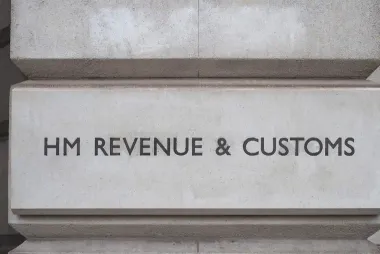
HMRC relies on a wide range of financial and digital evidence when investigating alleged tax evasion. Some of this material can be highly technical, and in many cases HMRC draws conclusions based on patterns, assumptions, or incomplete information. This is why having a specialist solicitor challenge and interpret the evidence is essential.
Below are the most common forms of evidence HMRC uses:
HMRC may also review digital evidence, undertake financial analysis, and compare declared income with lifestyle indicators, banking patterns, and historical submissions.
However, these reviews are not always accurate. Accounting irregularities, poor bookkeeping, or third-party mistakes can easily be misinterpreted as deliberate fraud.
At MMA Law, we scrutinise every document, uncover errors in HMRC’s assumptions, and challenge evidence that is unreliable or taken out of context. This can be critical in reducing or preventing criminal charges.
Understanding the tax evasion investigation process can ease uncertainty and help you prepare. Below is a clear step-by-step outline of what typically happens when HMRC or the Fraud Investigation Service (FIS) suspects wrongdoing.
You may receive:
This stage does not mean HMRC has already decided you are guilty.
HMRC may ask for:
Providing the wrong information (or too much information) can harm your case, so legal guidance is crucial.
If HMRC believes there is potential dishonesty, they will invite you to an interview under caution. Anything you say may be used as evidence. Our local solicitors can attend these interviews at short notice to protect your rights.
FIS conducts deeper analysis, including:
They may escalate the case to COP9 if deliberate fraud is suspected.
If COP9 is opened, you will be asked whether you admit deliberate wrongdoing through the Contractual Disclosure Facility (CDF).
Once HMRC completes its investigation, the Crown Prosecution Service (CPS) decides whether to bring criminal charges.
Most tax evasion cases begin here before being sent to the Crown Court due to seriousness.
This includes:
Prosecution and defence present their cases before a jury.
If convicted, the court considers:
Throughout this entire process, early legal advice can significantly influence the direction of your case, including whether charges are brought at all. MMA Law supports clients from the first HMRC letter through to court representation, ensuring the strongest possible defence at every stage.
Tax evasion is treated seriously by the courts, and the potential consequences can feel overwhelming. Understanding how sentencing works - and what factors influence the outcome - can help reduce fear and uncertainty.
Tax evasion can result in severe penalties, including:
The Sentencing Council provides clear guidelines to ensure consistency. Courts assess several factors before deciding on the appropriate sentence, including:
Even with serious allegations, it’s important to know: not all tax evasion cases lead to prison. Many cases settle through financial penalties or suspended sentences. Early and expert legal representation can significantly reduce penalties by presenting strong mitigation, correcting HMRC errors, and challenging assumptions.

Facing tax evasion allegations does not mean the case is hopeless. In many investigations, the issue is misinterpretation, incorrect data, or human error, rather than deliberate dishonesty. At MMA Law, we build detailed defence strategies that challenge every assumption.
Common defences and mitigation arguments we use include:
We also conduct thorough evidence analysis, challenging digital records, financial interpretations, and witness statements. Establishing a lack of dishonesty - a key element in tax evasion - can make the difference between conviction and acquittal.
With skilled legal representation, outcomes can be significantly improved. Our fraud solicitors negotiate with HMRC, challenge allegations robustly, and protect your rights throughout the investigation.
How MMA Law Can Help You
When you are facing a tax evasion allegation, the pressure can feel overwhelming - but the right legal team can make an immediate and decisive difference. Our fraud solicitors specialise in serious tax and financial crime defence, providing calm, strategic support at every stage of an HMRC investigation.
We have extensive experience dealing with complex financial enquiries, including those led by HMRC’s Fraud Investigation Service. Our team understands how HMRC builds cases, interprets records, and conducts interviews, allowing us to anticipate risks and protect your position from day one.
Our support includes:
We understand the emotional strain these cases create. Our approach is discreet, supportive, and focused entirely on achieving the best possible outcome for you.
If HMRC is investigating you for tax evasion, early legal advice is essential.
Contact our Criminal Defence Solicitors in Middlesbrough or book your free 30-minute confidential consultation today.

Tax evasion allegations can turn your world upside down. The impact extends far beyond HMRC - it affects your business, your family, and your mental wellbeing.
Common consequences include:
These situations often feel deeply personal, but you don’t have to face them alone.
Yes, tax evasion is a criminal offence in the UK. It involves deliberately avoiding tax through dishonest behaviour, such as hiding income, falsifying records, or submitting misleading tax returns. HMRC can investigate under the Fraud Act 2006, Taxes Management Act 1970, and related legislation.
If HMRC believes fraud has taken place, the case may be referred to the Crown Prosecution Service (CPS) for criminal charges. Civil penalties may apply in some cases, but serious or deliberate evasion can lead to prosecution, prison, and confiscation under POCA. Early legal advice helps assess your risk and protect your position.
Yes, you can go to prison for tax evasion if HMRC proves deliberate dishonesty. Sentences depend on the value of tax avoided, the level of planning, and the individual’s role. Typical penalties include:
Not all cases lead to imprisonment. Many are resolved through civil penalties or negotiated settlements, especially where intent is unclear. Strong legal representation can significantly reduce the risk of custody.
HMRC investigations are triggered when its systems detect unusual or inconsistent financial activity. Common triggers include:
An investigation does not automatically mean HMRC believes you are guilty. Many cases arise from errors, poor bookkeeping, or misunderstandings.
HMRC can investigate up to 20 years in cases of suspected deliberate tax evasion. The time limits vary depending on intent:
In serious fraud cases handled under COP9 or criminal investigation, HMRC may review decades of financial activity. Solicitors help manage the scope of disclosure and prevent unnecessary overreach.
A COP9 investigation begins when HMRC sends a letter alleging serious, deliberate tax fraud. The person is invited to use the Contractual Disclosure Facility (CDF), which allows them to admit dishonest behaviour in exchange for civil settlement rather than prosecution. The process includes:
Rejecting or mishandling CDF can lead to criminal charges. Never respond to COP9 without specialist legal advice.
Yes, HMRC can check bank accounts as part of a tax evasion investigation. They use powers under the Finance Act and international data-sharing agreements to access financial information. HMRC regularly reviews:
These checks are often automated through data-matching systems. Solicitors can challenge incorrect assumptions or misinterpreted financial patterns.
Yes, tax evasion charges can be dropped if HMRC or the CPS determines there is insufficient evidence or if dishonesty cannot be proved. Charges may also be withdrawn where:
Legal representation is key, as strong defence submissions can persuade the CPS not to proceed.
Most HMRC investigations take 12 to 36 months, but complex fraud cases can run for several years. Timescales depend on:
Delays are common when HMRC requests repeated documents or struggles to interpret accounts. A solicitor helps manage timelines, push back against unnecessary demands, and keep the process fair.
Early legal advice can change the entire direction of a tax evasion case. If HMRC is investigating you, the sooner you speak to a specialist solicitor, the better your chance of protecting your freedom, your finances, and your reputation.
At MMA Law, our Tax Evasion Solicitors support clients across Middlesbrough, Teesside, and nationwide. We understand the stress, uncertainty, and fear these investigations create, and we are here to provide calm, expert guidance from the very first conversation.
Whether you have received an HMRC enquiry, a notice of investigation, a PACE interview invitation, or a COP9 letter, our team will act quickly to defend your position and safeguard your rights.
Contact us today for a free, confidential 30-minute legal consultation and get the advice you need before the situation escalates.
We will assess your eligibility for Legal Aid and if you are not eligible, we will provide you with an agreed fee to represent you to conclusion of your case.
Get Your Free ConsultationNeed urgent legal advice?
© Copyright 2018 - 2026 MMA LAW in association with BBNM LAW