
 24hr helpline: 020 8054 7227
DNA and Forensic Analysis in Drug Cases – What You Need to Know
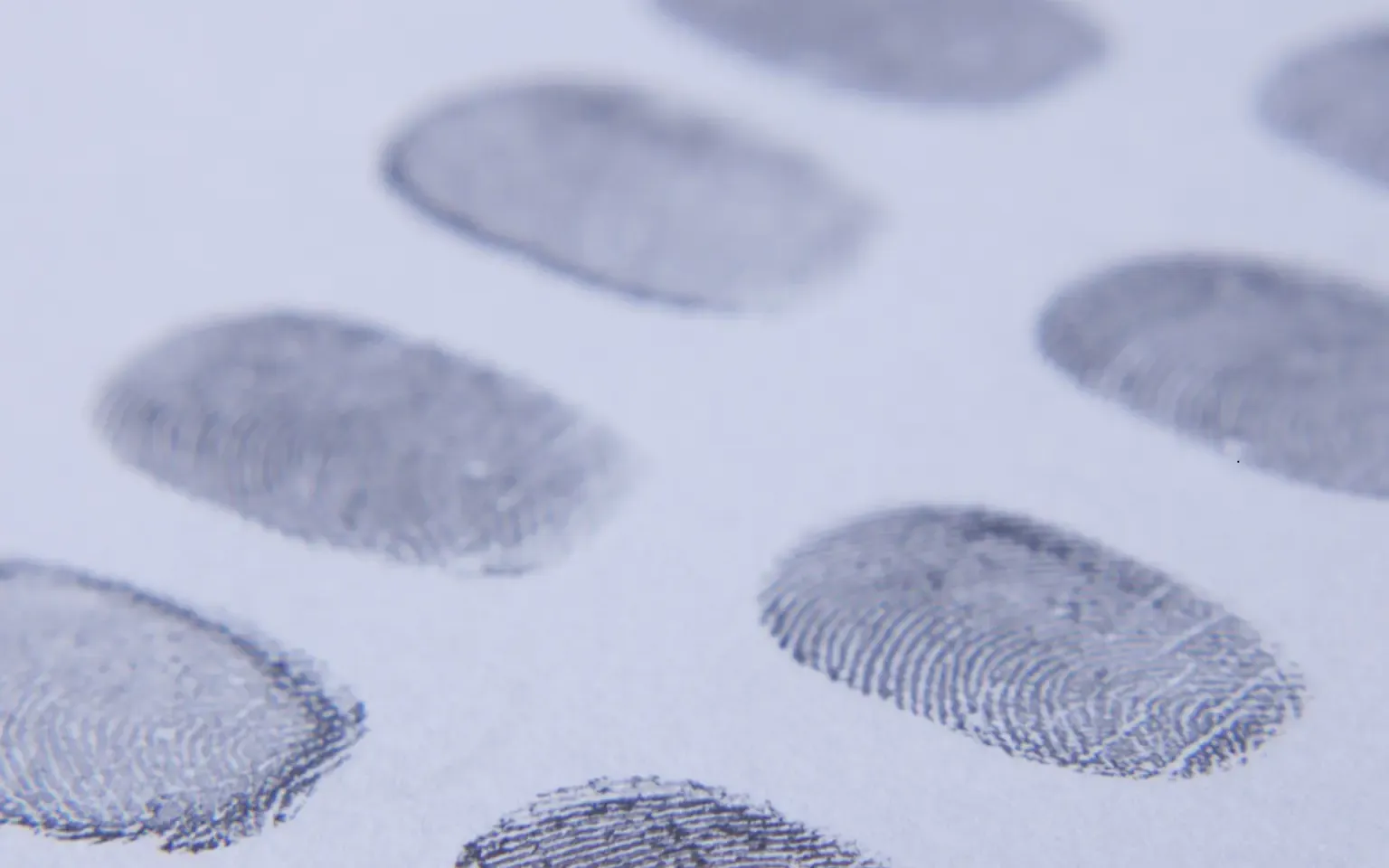
DNA and forensic analysis in drug cases play a crucial role in modern UK prosecutions. Police and prosecutors rely heavily on forensic evidence, such as DNA profiles and scientific testing, to link individuals to drugs, packaging, or crime scenes. If you are accused of a drug offence, understanding how this evidence is collected and used against you is essential.
Yet, despite its reputation, forensic evidence is not always clear-cut or beyond challenge. Misinterpretation, contamination, and procedural errors can all undermine its reliability. With the right legal strategy, even strong forensic reports can be questioned.
In this post, you’ll discover:
- How DNA and forensic evidence are used in UK drug cases
- The types of forensic analysis that may appear in your case
- Key limitations and weaknesses in scientific evidence
- How expert defence solicitors challenge forensic reports
- What steps to take if you are facing drug charges involving DNA
Armed with the right information and legal advice, you can face drug allegations with clarity and confidence.
The Role of DNA and Forensic Evidence in Drug Offences
Forensic evidence is any scientific material or analysis that can help prove facts in a criminal investigation. In drug cases, the most common types include DNA profiling, fingerprints, chemical analysis of substances, and trace evidence found on drug packaging or paraphernalia.
Police and the Crown Prosecution Service (CPS) use forensic science to link suspects to illegal drugs, containers, or locations. DNA swabs from drug packaging can suggest contact, while fingerprints may place someone at the scene. Chemical tests confirm the presence and type of illegal substances.
The Forensic Science Regulator ensures that forensic procedures meet quality standards, while police follow strict protocols for evidence collection.
A crucial concept is the chain of custody - the documented process showing who handled the evidence from seizure to courtroom. Any break in this chain can raise doubts about reliability.
While forensic evidence can be persuasive, it rarely tells the full story by itself. Scientific findings must be interpreted in context, and it is possible for innocent people’s DNA or fingerprints to appear on seized items. That’s why forensic evidence alone is usually not enough to secure a conviction without supporting proof.

How Do Police and Prosecutors Use DNA in Drug Cases?
Police investigating drug offences rely on forensic science to build their cases. During a search, officers may swab drug packaging, plastic bags, cash, mobile phones, scales, or other items for DNA traces. They also collect swabs from a suspect’s hands, clothing, or from surfaces at a property or in a vehicle. The purpose is to gather biological material - skin cells, sweat, or saliva - that can be analysed in an accredited laboratory.
Police must follow strict procedures set out in the Police and Criminal Evidence Act 1984 (PACE) and quality standards from the Forensic Science Regulator (FSR). Maintaining the integrity of every sample is crucial, as poor technique or cross-contamination can affect results. Each piece of evidence is logged and tracked, establishing the chain of custody from the crime scene to the courtroom.
DNA Profiling and Forensic Analysis
Once in the laboratory, samples are tested to identify unique DNA profiles. These are then compared to known profiles held by the police, the suspect, or national databases. If a “match” is found, it means the probability of another person sharing that profile is very low. However, a match does not explain how, when, or why the DNA was present.
Forensic scientists may also conduct toxicology analysis, fingerprint comparison, and chemical testing of substances. These findings are often used together with DNA evidence to build a broader picture of the alleged offence.
SFR1 and SFR2: Understanding Forensic Reports
The forensic process in drug prosecutions typically involves two main reports:
- SFR1 (Streamlined Forensic Report 1): This initial summary states whether DNA or other evidence was detected and identifies any “matches” to named individuals. SFR1 aims to speed up the disclosure of crucial information early in the investigation.
- SFR2: If the defence contests the findings or requests further details, an SFR2 report is produced. This offers deeper analysis, such as the likelihood of secondary transfer, explanations for mixed DNA profiles (where several people’s DNA is found), or the statistical strength of a match.
Solicitors should always request the full laboratory notes and, where necessary, independent review by a defence expert. These steps are essential for challenging any weaknesses in the evidence.

Presenting DNA Evidence in Court
At trial, the prosecution uses expert witnesses to explain forensic findings. Scientists describe how DNA was detected, how profiles were matched, and the probability that the sample belongs to the accused. The chain of custody is a key point - each transfer of evidence must be documented. If there are gaps or unexplained movements, the reliability of the results can be called into question.
It is also important to understand the concept of probative value, whether the presence of DNA truly proves involvement in a drug offence. Courts recognise that DNA can be transferred innocently, through brief contact or even indirectly (secondary transfer). For this reason, DNA presence alone does not establish guilt, intent, or knowledge.
Limitations and Challenges of DNA and Forensic Evidence
Forensic evidence in drug cases often appears persuasive, but it is not foolproof. Several factors can limit its reliability and create opportunities for a robust defence.
Key limitations include:
- Secondary transfer: DNA can move from person to person or object to object without direct contact. For example, a friend may touch packaging and transfer your DNA to it unintentionally.
- Mixed DNA profiles: Drug packaging often carries DNA from multiple individuals. Separating these profiles can be difficult, leading to uncertainty about who actually handled the item.
- Contamination: Errors during collection, storage, or laboratory analysis may introduce outside DNA or mix up samples.
- Procedural errors: Gaps in the chain of custody or poor documentation can cast doubt on whether the evidence has been handled correctly.
Case law has shown that innocent individuals can be wrongly implicated when these issues are present. The court expects every piece of forensic evidence to be critically reviewed and tested.
How Defence Solicitors Challenge Forensic Evidence in Drug Cases
A strong defence in drug cases often starts with a thorough review of the forensic evidence. At MMA Law, our solicitors routinely analyse SFR1 and SFR2 reports for any weaknesses or inconsistencies. We check the methods used, the handling of samples, and whether the findings are as clear as the prosecution suggests.
Where needed, we instruct independent forensic experts to re-examine the evidence. This can highlight problems such as contamination, poor sample storage, or ambiguous DNA profiles. If multiple people’s DNA is present, we question how the prosecution can be certain about who actually handled the drugs.
During court proceedings, our solicitors cross-examine prosecution scientists on issues like:
- The possibility of secondary transfer or innocent contact
- The reliability of the DNA analysis and laboratory procedures
- Any gaps in the chain of custody

We also raise legal arguments if evidence is insufficient, if there are procedural breaches, or if there are plausible innocent explanations for the presence of DNA.
It is important to remember that a DNA “match” is not the same as proof of guilt. With early, proactive intervention, we can often undermine the prosecution’s case or have unreliable evidence excluded altogether. MMA Law’s strategic, meticulous approach gives clients the best chance of a fair result.
Practical Advice If You Are Facing Drug Charges Involving DNA Evidence
If you are facing drug charges where DNA or forensic evidence is involved, it is natural to feel worried. However, there are practical steps you can take to protect yourself and improve your defence.
Follow these important steps:
- Don’t panic – DNA evidence is rarely the full story, and can be challenged with the right legal support.
- Keep detailed records – Write down where you have been, who you were with, and anything that could explain legitimate contact with the items in question.
- Save all documents – Keep any paperwork, police letters, and copies of SFR1 or SFR2 forensic reports.
- Do not discuss your case with anyone but your solicitor, especially on social media or by text.
- Contact an experienced criminal defence solicitor as soon as possible. Early legal advice gives you the best chance to challenge weak or unreliable forensic evidence.
Our team can review your case and guide you from the very beginning, ensuring your rights are protected at every stage. Our Solicitors Offices are in Middlesbrough, but we serve the entire UK.
Frequently Asked Questions – DNA and Forensic Evidence in Drug Cases
What is forensic evidence in a drug case?
Forensic evidence in a drug case refers to scientific material or expert analysis used to support or challenge claims in court. This can include DNA profiles from drug packaging, fingerprints, chemical tests to confirm the substance’s nature, and trace evidence like fibres or residues.
Forensic reports are prepared by accredited laboratories and help police and the CPS build a case against a suspect. However, forensic findings must always be tested and explained in the context of the wider investigation.
Can DNA evidence alone convict me?
DNA evidence alone is rarely enough to convict someone of a drug offence in the UK. While DNA can link a person to drugs or packaging, it does not always prove how or when it was deposited, or whether there was any criminal intent. Courts expect supporting evidence( such as witness statements, surveillance, or admissions) before finding someone guilty. Defence solicitors regularly challenge whether DNA findings genuinely prove involvement beyond reasonable doubt.
What is a SFR1 forensic report?
A SFR1 forensic report is an initial summary provided by a forensic laboratory to the police and prosecution in a criminal case. It sets out the main findings from the first stage of forensic testing, such as whether DNA was detected and if it matches a known profile.
The SFR1 is designed to streamline the process and focus on the strongest evidence. If a defence solicitor identifies issues or wants further explanation, a more detailed SFR2 report can be requested.
How can DNA get on drug packaging?
DNA can get on drug packaging through direct handling or indirectly by secondary transfer. For example, someone might touch a bag, or their DNA might transfer from a shared surface or another person’s hands. Even brief or innocent contact, such as passing a parcel, can leave detectable traces. This is why DNA presence does not always mean guilt, and why each case needs careful, expert review.
What if the DNA evidence is mixed or contaminated?
Mixed or contaminated DNA evidence can make it difficult to identify who actually handled drug packaging or substances. If forensic analysis shows DNA from multiple individuals, it is often impossible to say with certainty who was directly involved. Contamination during collection or in the laboratory can also compromise results. Defence solicitors can use these weaknesses to challenge the reliability of prosecution evidence and raise reasonable doubt.
How can a defence solicitor help?
A defence solicitor can play a crucial role in cases involving DNA and forensic evidence. They review all forensic reports, question the accuracy of testing, and may instruct independent experts for a second opinion. Solicitors also challenge weaknesses in the prosecution’s case—such as secondary transfer, chain of custody gaps, or procedural errors. By providing strong legal arguments, they can help ensure that unreliable or unfair evidence does not lead to a wrongful conviction. Early legal advice often makes a significant difference in the outcome of a case.
How MMA Law Can Help
Facing drug or drug conspiracy charges involving DNA or forensic evidence can feel daunting, but you do not have to handle it alone. MMA Law specialises in challenging forensic reports and protecting your rights throughout every stage of a criminal case.
Our solicitors scrutinise every detail, work with leading forensic experts, and have a strong record of successful outcomes for clients. We know what it takes to challenge unreliable scientific findings and create reasonable doubt in court.
We offer 24/7 support and a free initial legal consultation to discuss your situation and explain your options. Find out more by visiting our Drug Defence Solicitors, Serious Crime Solicitors, or Book Your Free 30-Minute Appointment pages.
