
Drug Possession vs Intent to Supply: What's the Difference?
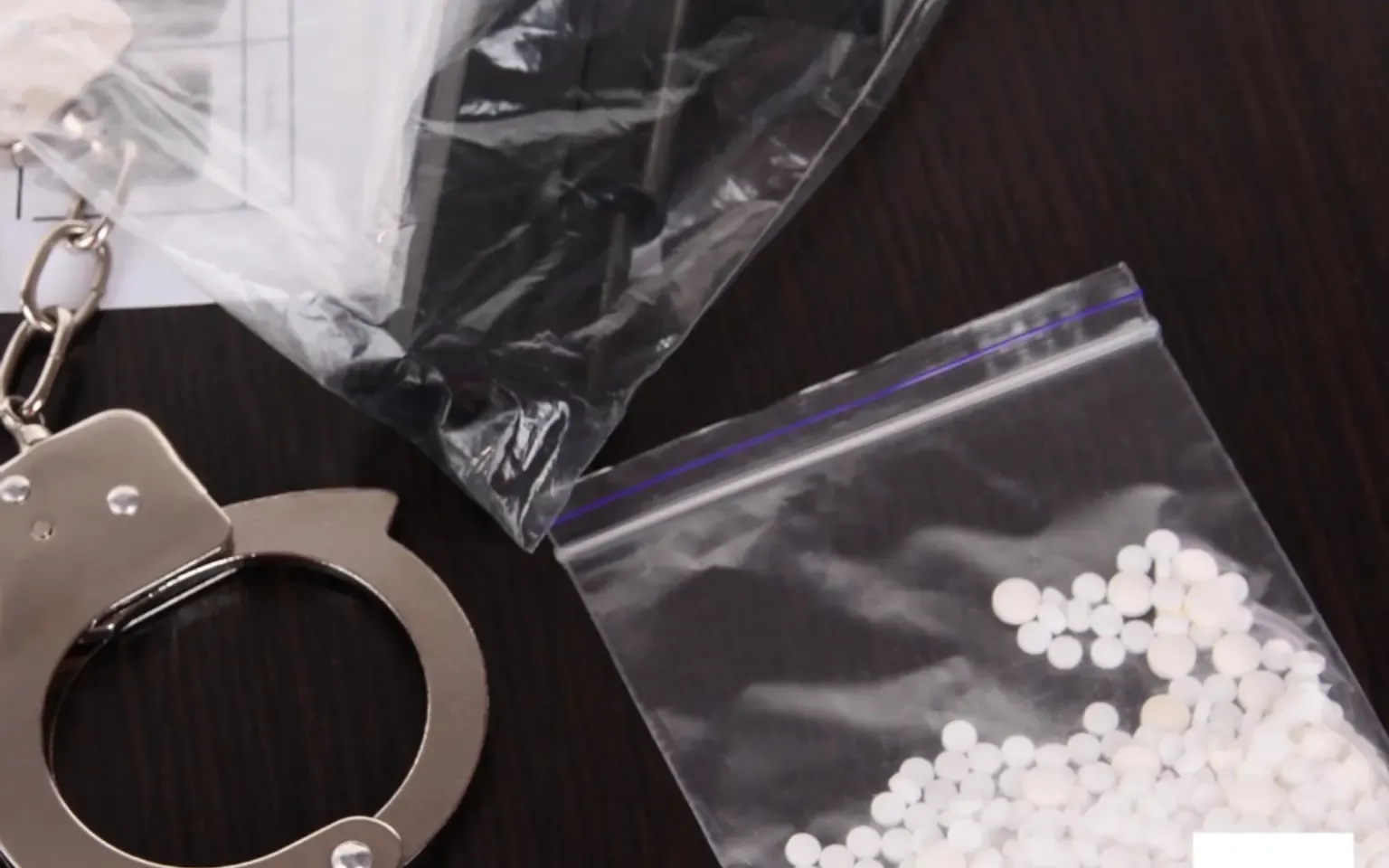
Drug possession, drug supply and possession with intent to supply are three separate offences under the Misuse of Drugs Act 1971. The main difference is whether someone possesses controlled drugs, supplies them to another person or intends to supply them.
- Drug possession: Unlawfully having a controlled drug in your possession, without needing to prove an intention to supply it.
- Drug supply: Unlawfully giving, selling or offering to supply controlled drugs to another person. Payment is not required.
- Possession with intent to supply: Having controlled drugs in your possession with the intention of supplying them to someone else, even if no supply takes place.
The difference matters because each offence carries different legal requirements and potential penalties. What starts as a drug possession investigation could lead to more serious charges if police suspect an intention to supply.
If you or someone close to you is facing drug-related allegations, you may be wondering:
- How do police decide whether drugs are for personal use or supply?
- What evidence can prove an intention to supply?
- Can sharing drugs with friends lead to criminal charges?
- How do prison sentences differ for possession and supply?
- Can drug possession or intent to supply charges be challenged?
Understanding these differences can help you make informed decisions and protect your rights if you're under investigation.
Understanding the Difference Between Drug Possession and Supply
The main difference between drug possession and supply is what someone does with the drugs and whether they intend to give them to others. Possession with intent to supply is a separate offence that involves both possession and an intention to supply.
Under the Misuse of Drugs Act 1971, these offences have different legal requirements and potential penalties.
Offence
General meaning
Key distinction
Drug possession
Unlawfully possessing a controlled drug.
There is no need to prove an intention to supply.
Drug supply
Unlawfully supplying or offering to supply controlled drugs.
Includes giving or sharing drugs without payment.
Possession with intent to supply
Possessing controlled drugs with the intention of supplying them to someone else.
A completed supply is not required.

How Do These Differences Apply in Practice?
Consider three situations involving someone found with cannabis:
- Possession: Someone has cannabis for their own personal use.
- Supply: Someone gives cannabis to another person, even without receiving money.
- Possession with intent to supply: Someone has cannabis that they intend to distribute to others, but has not yet done so.
These examples show why the circumstances matter when deciding which offence may have occurred.
For a more detailed explanation, read our guide to what counts as possession with intent to supply under UK law.
The evidence required also differs. A possession case focuses on whether someone unlawfully possessed controlled drugs. An intent to supply case must also establish their intention to supply.
Someone may also face charges for being involved in a drug supply operation without physically handling the drugs. Our article on sentencing guidelines for being concerned in the supply of drugs explains this related offence.
These distinctions matter because supply and possession with intent to supply carry much higher maximum prison sentences than simple possession.
What Constitutes Drug Supply?
Drug supply involves unlawfully providing or offering to provide controlled drugs to another person. This includes selling, giving away or sharing drugs. Payment is not required for a drug supply offence.
Under section 4(3) of the Misuse of Drugs Act 1971, supplying or offering to supply controlled drugs without lawful authority is a criminal offence.
Selling, Giving and Sharing Controlled Drugs
Many people associate drug supply with selling drugs for money. However, the legal definition is much broader.
For example, imagine someone gives a friend a small amount of cannabis at a party. Even if no money changes hands, this may still constitute unlawful drug supply.
Supply can include:
- Selling controlled drugs for money.
- Giving drugs to another person for free.
- Sharing controlled drugs with friends.
- Distributing drugs on behalf of someone else.
The absence of financial gain does not automatically prevent a supply charge.
Even first-time offenders can face serious penalties. Read our guide explaining whether first-time drug dealers go to jail in the UK for further information.

Offering to Supply Drugs
Offering to supply controlled drugs can itself be a criminal offence, even if the proposed transaction never takes place.
For example, someone who offers to sell cocaine may face charges without completing the sale.
The prosecution must prove that the defendant made an offer that meets the legal requirements of the offence.
Can You Be Charged With Supply Without Being Found With Drugs?
Yes, you can face drug supply charges without being found in possession of controlled drugs.
Police may rely on other evidence, including:
- Phone messages discussing drug transactions.
- Witness statements describing alleged supply.
- Financial records linked to suspected drug dealing.
- Evidence of previous drug transactions.
However, these records must be assessed in context. Suspicious messages or financial activity do not automatically prove guilt.
Someone accused of helping to arrange or facilitate drug distribution may also face a related offence. MMA Law's being concerned in the supply of drugs solicitors can advise on these allegations.
The prosecution must establish the elements of the specific offence beyond reasonable doubt.
What Is Possession With Intent to Supply?
Possession with intent to supply is a criminal offence involving the unlawful possession of controlled drugs with the intention of supplying them to another person. It is more serious than simple possession because the prosecution must also establish an intention to supply.
The Legal Definition of Possession With Intent to Supply
Under section 5(3) of the Misuse of Drugs Act 1971, it is an offence to possess a controlled drug with the intention of supplying it unlawfully to another person.
To secure a conviction, the prosecution must establish two essential elements:
- Possession: The defendant knowingly possessed or controlled the drugs.
- Intent to supply: The defendant intended to supply those drugs unlawfully to another person.
Importantly, the prosecution does not need to prove that any drugs were actually supplied. The offence concerns the intention to supply while possessing them.
How Is Intent to Supply Different From Actual Supply?
The distinction depends on the person's actions and intentions.
Consider three examples:
- Drug possession: Someone has cannabis solely for personal use.
- Possession with intent to supply: Someone possesses cocaine intending to distribute it to others, but has not yet done so.
- Drug supply: Someone unlawfully gives or sells controlled drugs to another person.
These are simplified examples. The charges brought in any case depend on the available evidence and circumstances.
Does Possession With Intent to Supply Require Financial Gain?
No, possession with intent to supply does not require an intention to make money.
Someone may face this charge if they possess drugs intending to give or share them with others, even without payment.
For example, a person holding controlled drugs intending to distribute them among friends could potentially face a possession with intent to supply allegation.
However, possessing drugs does not automatically establish an intention to supply. Prosecutors must prove the required intent through the evidence.
The distinction matters because possession with intent to supply carries significantly higher maximum penalties than simple drug possession.
For advice about the allegations, evidence and potential defences, speak to MMA Law's possession with intent to supply solicitors.
How Do Police Determine Intent to Supply?
Police determine whether drugs were intended for supply by examining the quantity, packaging, communications, financial evidence and surrounding circumstances. No single piece of evidence automatically proves an intention to supply.
Investigators assess whether the available evidence supports an allegation of possession with intent to supply rather than possession for personal use.

Drug Quantity and Packaging
The quantity of drugs found can be relevant when investigating suspected supply.
Larger quantities may raise questions about whether the drugs were intended for personal use or distribution. However, there is no universal quantity that automatically proves intent to supply.
Police may also examine how drugs are packaged, including:
- Multiple individually wrapped portions.
- Separate bags containing similar quantities.
- Packaging materials found alongside controlled drugs.
These factors may support an allegation, but investigators must consider the wider circumstances.
Scales, Cash and Other Items
Police may examine items found during searches to determine whether they are connected to drug supply.
Potential evidence includes:
- Digital weighing scales.
- Large amounts of cash.
- Packaging materials and related equipment.
- Financial records suggesting drug transactions.
However, possessing scales or cash does not automatically establish drug dealing. These items may have legitimate explanations.
Their significance depends on how they relate to the other evidence.
Phone Messages and Digital Evidence
Mobile phones and electronic communications can play an important role in drug supply investigations.
Police may examine:
- Text messages and messaging app conversations.
- Communications discussing quantities, prices or arrangements.
- Call records and contact histories.
- Relevant electronic payment records.
Investigators may use this information to establish whether someone intended to supply controlled drugs.
However, messages must be interpreted in context. An isolated conversation may not accurately reflect someone's intentions or actions.
Witness Statements and Other Evidence
Witness evidence may also support an allegation of possession with intent to supply.
This could include statements from people who claim to have witnessed drug transactions or received controlled drugs.
Police may also consider surveillance observations, CCTV footage and evidence gathered during searches.
The prosecution must assess the evidence as a whole, rather than relying on assumptions about individual items.
To prove possession with intent to supply, prosecutors must establish both unlawful possession and the required intention to supply beyond reasonable doubt.
The presence of suspicious circumstances alone does not guarantee a conviction.
Can a Drug Possession Charge Become Intent to Supply?
Yes, a drug possession allegation can change to possession with intent to supply if further evidence suggests the drugs were intended for distribution. This can happen during a police investigation or after someone has been formally charged.
For example, police may initially arrest someone on suspicion of possessing controlled drugs. Further enquiries could then uncover evidence suggesting an intention to supply.
When Can Drug Possession Charges Change?
The allegation or charge may change at different stages of criminal proceedings:
- During a police investigation: Police may investigate a more serious offence if new evidence emerges.
- Before formal charges: The Crown Prosecution Service (CPS) may authorise a possession with intent to supply charge where the evidence supports it.
- After charges are brought: Prosecutors may seek to amend or replace charges as further evidence becomes available, subject to the applicable court procedures.
How Are Drug Supply Charges Decided?
Under the Full Code Test, the CPS considers two questions:
- Evidence: Is there sufficient evidence for a realistic prospect of conviction?
- Public interest: Is prosecution required in the public interest?
In some circumstances, prosecutors can also use the Threshold Test before the full evidence is available.
For more information, read our guide to how police prove intent to supply in UK drug cases.
Importantly, a change in charge does not establish guilt. The prosecution must still prove the offence beyond reasonable doubt.

Penalties for Drug Possession vs Supply
Drug supply and possession with intent to supply carry significantly higher maximum prison sentences than simple possession. The maximum penalty depends on the drug's classification under the Misuse of Drugs Act 1971.
However, the maximum sentence is not the sentence someone will necessarily receive. Courts consider the seriousness of the offence and the individual's circumstances.
Maximum Penalties for Drug Possession and Supply
The statutory maximum prison sentences in England and Wales are:
Drug class
Maximum for possession
Maximum for supply or intent to supply
Class A
7 years
Life imprisonment
Class B
5 years
14 years
Class C
2 years
14 years
Unlimited fines may also apply. Supply and possession with intent to supply generally carry the same statutory maximum for each drug class.
These are maximum penalties, not typical sentences.
More complex allegations, such as conspiracy to distribute controlled drugs, can also carry serious penalties. MMA Law's conspiracy to supply Class A drugs solicitors can advise on the potential consequences of these charges.
How Sentencing Guidelines Affect the Outcome
Courts use the Sentencing Council's guidelines to determine an appropriate sentence.
Two important considerations are:
- Harm: The quantity of drugs and the scale of the offending.
- Culpability: The defendant's role, level of responsibility and involvement.
Courts also consider aggravating and mitigating factors, including previous convictions, personal circumstances and an early guilty plea.
For example, someone directing a large drug operation may receive a substantially different sentence from someone performing a limited role.
Can You Go to Prison for a First Offence?
Yes, a first-time offender can receive a prison sentence for drug possession or supply. Having no previous convictions does not automatically prevent imprisonment.
However, custody is not inevitable. The outcome depends on the offence, drug classification, sentencing category and relevant mitigating circumstances.
Courts may impose a fine, community order, suspended sentence or immediate imprisonment where legally appropriate.
Seeking legal advice early can help defendants understand the likely sentencing range and identify relevant mitigation. MMA Law's criminal defence solicitors can provide representation throughout criminal proceedings, including advice on sentencing and mitigating circumstances.
Can Drug Possession or Supply Charges Be Challenged?
Yes, drug possession and supply charges can be challenged where the evidence does not establish the alleged offence. However, the available defences depend on the circumstances of each case.
A solicitor can review the prosecution evidence, identify potential weaknesses and advise on the most appropriate defence strategy.
What Evidence Can Be Challenged?
Depending on the allegations, a criminal defence solicitor may examine:
- Proof of possession: Can the prosecution establish that the defendant knowingly possessed or controlled the drugs?
- Intention to supply: Is there sufficient evidence to prove the drugs were intended for someone else?
- Digital communications: Have phone messages, conversations or financial records been interpreted accurately and in context?
- Evidence and disclosure: Was evidence obtained lawfully, and has relevant material been properly disclosed to the defence?
- Legal requirements: Can the prosecution establish every element of the specific offence?
For example, finding controlled drugs in a shared property does not automatically establish that everyone living there possessed them.
Similarly, the presence of cash, weighing scales or messages does not necessarily prove an intention to supply drugs.

What Happens if the Evidence Is Insufficient?
The prosecution bears the burden of proving the offence beyond reasonable doubt.
If the evidence does not support the allegations, a solicitor may make representations to the prosecution or challenge the case in court.
However, there is no guarantee that charges will be reduced or dismissed. Each case requires careful assessment of the available evidence.
Frequently Asked Questions About Drug Possession and Intent to Supply
Is Possession With Intent to Supply the Same as Conspiracy to Supply?
No, possession with intent to supply and conspiracy to supply drugs are separate criminal offences with different legal requirements.
Possession with intent to supply, under section 5(3) of the Misuse of Drugs Act 1971, requires proof that someone possessed controlled drugs intending to supply them unlawfully.
Conspiracy to supply generally involves an agreement between two or more people to commit a drug supply offence, under the Criminal Law Act 1977.
The key differences are:
- Possession with intent to supply: Requires possession of controlled drugs and an intention to supply them.
- Conspiracy to supply: Focuses on an unlawful agreement between individuals. Personal possession of drugs is not necessarily required.
Someone may face both allegations if the evidence supports each offence.
How Much Cannabis Counts as Possession With Intent to Supply?
There is no fixed quantity of cannabis that automatically constitutes possession with intent to supply in England and Wales. Even a relatively small amount could lead to an allegation if evidence suggests it was intended for distribution.
Cannabis is classified as a Class B controlled drug under the Misuse of Drugs Act 1971.
When investigating suspected supply, police may consider:
- Quantity: Whether the amount appears consistent with personal use or distribution.
- Packaging: Whether cannabis has been divided into individual portions.
- Communications: Whether messages or conversations suggest an intention to supply.
- Other circumstances: Whether additional evidence supports the allegation.
Possessing a large quantity does not automatically prove intent to supply. The prosecution must establish the required intention beyond reasonable doubt.
Can You Be Charged With Possession With Intent to Supply if the Drugs Belong to Someone Else?
Yes, you can be charged with possession with intent to supply even if the controlled drugs legally or physically belong to someone else. Ownership is not an essential element of the offence.
What matters is whether the prosecution can establish that you knowingly possessed or controlled the drugs and intended to supply them unlawfully.
For example, someone who knowingly holds drugs for another person, intending to pass them to others, could potentially face possession with intent to supply charges.
However, simply being near controlled drugs does not automatically establish possession.
If drugs are discovered in a shared property or vehicle, investigators must consider the evidence linking each person to them. The prosecution must prove the necessary knowledge, possession and intention to supply.
Can You Get Bail if You're Charged With Possession With Intent to Supply?
Yes, you can be granted bail if you're charged with possession with intent to supply, although bail is not guaranteed. The decision depends on the circumstances of the case and the applicable legal requirements.
Under the Bail Act 1976, courts consider whether there are lawful grounds to refuse bail.
Relevant considerations may include:
- Risk of failing to attend court: Whether there are substantial grounds to believe the defendant may abscond.
- Risk of further offending: Whether the defendant may commit offences while on bail.
- Risk of interfering with witnesses: Whether there are concerns about obstructing justice.
- Personal circumstances: Relevant factors such as community ties, previous convictions and bail history.
Courts may impose conditions to manage identified risks.
If bail is refused, the defendant may be remanded in custody while proceedings continue.
Can You Be Charged With Drug Supply for Acting as a Middleman?
Yes, someone who acts as a middleman in a drug transaction may face criminal charges, even if they never physically handle the drugs.
Drug supply offences can involve more than directly selling or distributing controlled substances.
For example, someone who knowingly arranges a drug transaction between a supplier and buyer may face allegations of being concerned in the supply of controlled drugs.
Depending on the evidence, prosecutors may also consider conspiracy to supply or other related offences.
The specific charge depends on the person's actions, knowledge and involvement in the alleged activity.
Simply knowing someone involved in drug dealing does not automatically make a person guilty of a supply offence. Prosecutors must establish the legal elements of the charge through admissible evidence.
What Should You Do if You're Accused of Drug Possession or Supply?
MMA Law's criminal defence solicitors can help you understand any allegations you’re facing - and protect your legal rights. Getting advice early is important, particularly if police suspect possession with intent to supply.
Whether you've been arrested, invited to a voluntary police interview or formally charged, our team can provide legal advice and representation throughout your case.

How MMA Law Can Help During a Drug Investigation
Our criminal defence team can:
- Represent you at the police station: Provide legal advice before and during interviews, including voluntary interviews.
- Explain the allegations: Help you understand whether you're suspected of possession, supply or possession with intent to supply.
- Review the evidence: Examine drug quantities, phone messages, witness statements and other evidence relevant to your case.
- Prepare your defence: Identify potential weaknesses in the prosecution's case and advise on the available legal options.
- Represent you in court: Provide legal representation if you're charged and proceedings continue.
MMA Law's criminal defence solicitors represent clients facing serious drug allegations in Middlesbrough, across Teesside and beyond.
If you're facing a drug possession or supply investigation, contact us for a free 30 minute legal consultation early as possible. Our team can discuss your circumstances, explain the next steps and help you make informed decisions about your defence.
