
Voluntary Police Interview – What It Means and Why You Should Never Attend Alone
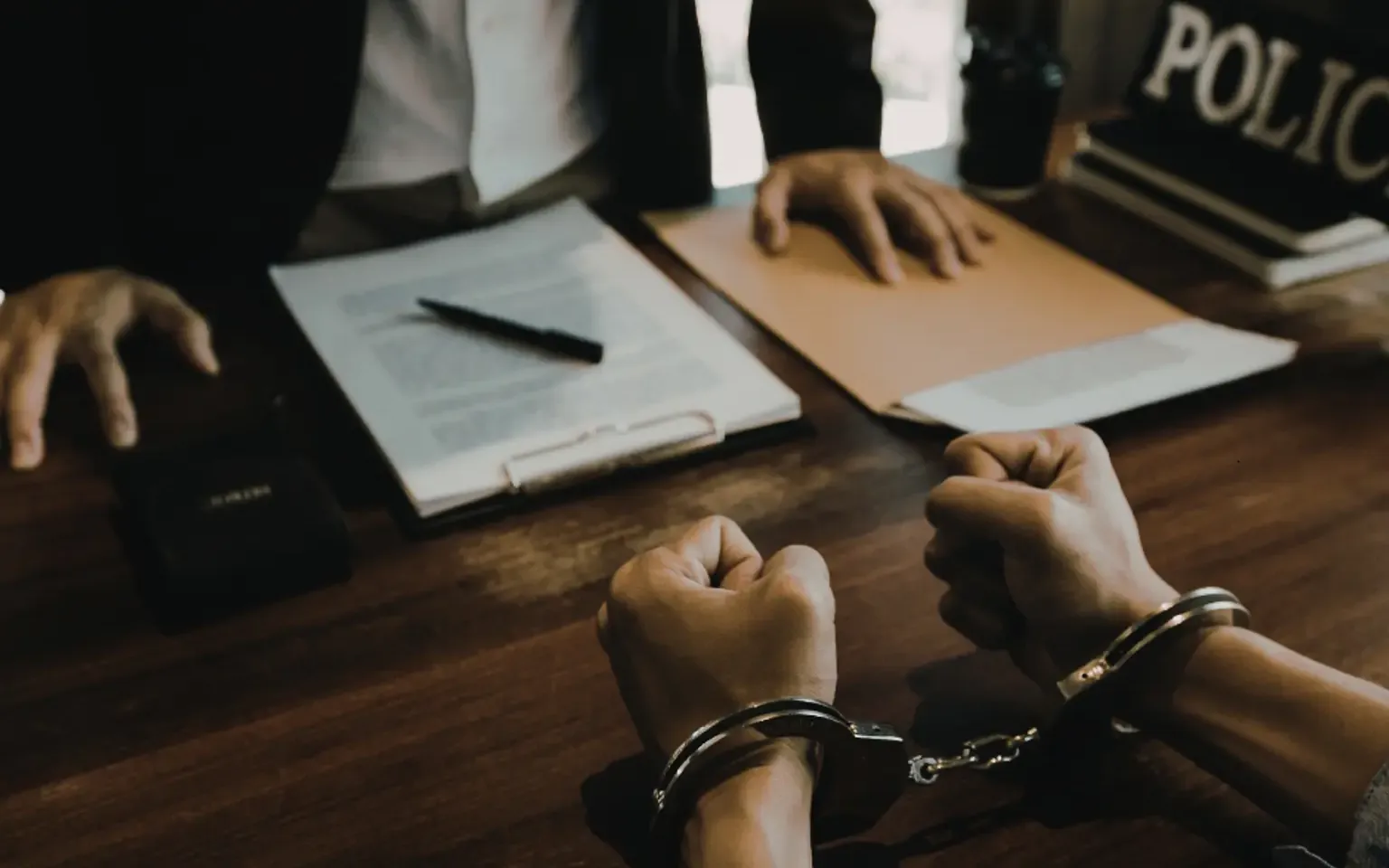
The police have asked you to attend a voluntary police interview. They say you are not under arrest.
That can sound reassuring. It is not.
A voluntary police interview is still an interview under caution. It is conducted under the Police and Criminal Evidence Act 1984 (PACE). It is recorded. What you say can be used as evidence. In some cases, it can lead directly to charge.
“Voluntary” refers only to how you attend. It does not mean informal. It does not mean minor. It does not mean you are simply helping the police.
You still have legal rights under PACE, including the right to legal representation and the right to silence. But those rights only protect you if you understand how to use them properly.
In this guide, our expert solicitors explain:
- What a voluntary police interview really means
- Whether you have to attend
- The risks involved
- Whether you can be arrested afterwards
- What your rights are under PACE
- Common mistakes people make
- How to protect yourself before and during interview
Early legal advice can prevent serious mistakes. If you are invited to attend a voluntary interview, you should never go alone. Please contact us first.
What Is a Voluntary Police Interview?
A voluntary police interview is a formal interview conducted under caution, but without arrest.
In plain terms, the police suspect you may have been involved in an offence. Instead of arresting you, they invite you to attend the police station by arrangement. The interview takes place under the Police and Criminal Evidence Act 1984 (PACE) and follows the same legal framework as an interview in custody.
You are not formally arrested. You are not detained in a cell. In theory, you are free to leave. However, the interview is still recorded and legally significant.
A voluntary police interview usually involves:
- Police suspecting your involvement in an offence
- An invitation to attend at a set time
- A recorded interview under caution
- Answers that can be used as evidence in court
The caution warns you that you do not have to say anything. It also explains that failing to mention something you later rely on in court may harm your defence. “Voluntary” refers only to how you attend. It does not mean informal. It does not mean minor. It does not mean risk-free.
Why Do Police Use Voluntary Interviews Instead of Arrest?
Police use voluntary interviews as part of the pre-charge investigation process.
Under the Police and Criminal Evidence Act 1984, officers have powers to arrest where necessary. However, arrest is not always required. If the police believe you will attend voluntarily and there is no need to detain you, they may choose this route.
There are several reasons for this approach:
- It is less restrictive than arrest.
- It avoids unnecessary detention.
- It is more resource-efficient.
- It can be arranged at a mutually convenient time.
Voluntary interviews are common in allegations such as fraud, sexual offences, assault, and historic complaints. In many cases, the police are still gathering evidence. They may wish to hear your account before deciding whether to proceed further.
Choosing a voluntary interview does not mean the matter is trivial. It means the investigation is ongoing and arrest is not considered necessary at that stage.

Do You Have to Attend a Voluntary Police Interview?
You are not under arrest, so you are not legally compelled to attend in the same way as someone in custody.
However, that does not mean you should simply refuse. If you decline to attend without good reason, the police may decide that arrest is necessary to secure your attendance or to protect evidence. Arrest powers exist under PACE where officers believe it is justified.
Before deciding whether to attend, you should seek legal advice. Ignoring the request can escalate the situation. Agreeing to attend without preparation can also create serious risk.
A balanced approach is essential:
- Do not ignore police contact.
- Do not attend without a solicitor.
- Do not assume refusal avoids consequences.
With the right advice, attendance can often be managed strategically. In some cases, arrangements can be negotiated. The key is to take control early, not react impulsively.
Voluntary Interview vs Arrest – What’s the Difference?
A voluntary police interview and an arrest are different in procedure, but similar in seriousness.
With a voluntary interview, you attend by prior arrangement. You are not taken into custody. You are not placed in a cell. In theory, you are free to leave unless the police decide arrest becomes necessary.
With an arrest, you are taken into custody by the police. You are detained at the police station. You cannot leave until you are released on bail, released under investigation, or charged.
The key practical differences are:
- A voluntary interview is arranged in advance. An arrest is immediate.
- In a voluntary interview, you are not detained. Under arrest, you are detained.
- In a voluntary interview, you are initially free to leave. Under arrest, you cannot leave.
However, both situations involve an interview under caution. In both cases, what you say is recorded. In both cases, your answers can be used in court. In both cases, the outcome can be the same: no further action, further investigation, or charge.
The format may differ. The legal risk does not.
What Are Your Rights in a Voluntary Police Interview?
You have important legal rights during a voluntary police interview. Understanding them can protect you from serious mistakes. Interviews are conducted under the Police and Criminal Evidence Act 1984 and follow PACE Code C. Even though you are not under arrest, the same safeguards apply.
Your key rights include:
- The right to free and independent legal representation
- The right to silence
- The right to receive a summary of the allegation before questioning
- The right to request breaks during the interview
- The right to have the interview recorded
The right to silence means you do not have to answer questions. However, under the Criminal Justice and Public Order Act 1994, a court may draw an adverse inference if you later rely on a defence that you did not mention when questioned.
In simple terms, if you stay silent about something important and later raise it in court, the jury may be told they can consider why it was not mentioned earlier.
This does not mean you should always answer questions. It means the decision must be strategic. A solicitor will assess the evidence and advise whether to answer, provide a prepared statement, or respond “no comment”.
These rights only protect you if you use them properly. That is why legal advice before and during interview is essential.
Can Police Arrest You After a Voluntary Interview?
Yes, the police can arrest you after a voluntary interview in certain circumstances.
Although you attend voluntarily and are not initially detained, officers still have arrest powers under the Police and Criminal Evidence Act 1984 (PACE). If the legal grounds for arrest arise during or after the interview, those powers can be used.

Arrest may occur if:
- New evidence emerges during questioning
- Your answers contradict known evidence
- Police believe arrest is necessary to secure further evidence
- Officers consider detention necessary to prevent interference or ensure a prompt and effective investigation
In many cases, people attend voluntarily and leave without being arrested. However, arrest after interview is legally possible.
This is why preparation matters. What you say in interview can influence how officers assess necessity. At MMA Law, we always stress strategic legal advice before and during questioning can significantly reduce risk and prevent avoidable escalation.
Should You Say “No Comment”?
Under the Police and Criminal Evidence Act 1984, you have the right to silence. You do not have to answer police questions. However, the position is not as simple as staying silent in every case.
Under the Criminal Justice and Public Order Act 1994, a court may draw an adverse inference if you later rely on something in your defence that you did not mention when questioned under caution.
In plain terms, if you say nothing in interview and later present a detailed explanation at trial, the jury may be told they can consider why that account was not given earlier.
That does not mean you should automatically answer questions. In some cases, a “no comment” interview is the correct strategy. In others, providing a prepared statement is more appropriate. In some situations, answering questions is beneficial.
The key point is this: the decision must be strategic.
You should never pre-decide to go “no comment” without proper legal advice. A solicitor will assess the disclosure, the strength of evidence, and the risks before advising you on the safest approach.
What Happens After a Voluntary Police Interview?
After a voluntary police interview, several outcomes are possible. The interview itself is rarely the end of the process.
In many cases, you will leave the station and be released under investigation. This means no immediate decision has been made and enquiries are ongoing. In some situations, police may place you on pre-charge bail. Bail can include conditions and a formal return date.
If the case is more serious, the police may prepare a file for the Crown Prosecution Service (CPS). The CPS then applies the evidential and public interest test before making a charging decision.
The possible outcomes include:
- No Further Action (NFA) – the case is closed.
- A request for a further voluntary interview.
- Pre-charge bail while enquiries continue.
- A formal charge and court proceedings.
Sometimes decisions are made quickly. In other cases, months can pass while digital or forensic evidence is reviewed. Silence from the police does not automatically mean the matter is over. It means the investigation is continuing behind the scenes.

Common Mistakes People Make in Voluntary Interviews
Voluntary interviews often feel less serious than arrest. That perception leads to costly mistakes.
Common errors include:
- Attending without a solicitor. People assume they can “clear it up” themselves.
- Talking informally before the recording starts. Casual comments in corridors or waiting rooms can be noted and relied upon.
- Guessing answers. Speculation can later be presented as inconsistency.
- Over-explaining. Long, unstructured answers often create new lines of questioning.
- Believing cooperation guarantees no charge. Being polite does not prevent prosecution if evidence meets the legal test.
Another frequent mistake is underestimating the significance of the caution. Everything said can be analysed later by investigators and prosecutors.
A voluntary interview is part of a formal criminal investigation. It requires preparation, structure, and legal guidance. Turning up alone and hoping for the best is rarely the safest approach.
Frequently Asked Questions – Voluntary Police Interviews
What is a voluntary police interview?
A voluntary police interview is a formal interview under caution where you attend by arrangement rather than being arrested. It is conducted under the Police and Criminal Evidence Act 1984 (PACE). The interview is recorded and anything you say can be used as evidence. “Voluntary” refers only to how you attend. It does not mean informal or low risk.
Can I refuse to attend?
Yes, you can refuse to attend because you are not under arrest. However, refusing without legal advice can increase the risk of arrest. Police may decide arrest is necessary to secure your attendance or protect evidence under PACE. Before declining, speak to a solicitor who can assess the situation and, if appropriate, communicate with the investigating officer on your behalf.
Will I be arrested?
Not necessarily, but arrest is possible. Many people attend voluntarily and leave without being detained. However, if new evidence emerges or officers believe arrest becomes necessary during questioning, they can exercise arrest powers under PACE. Preparation and legal representation reduce the likelihood of avoidable escalation.
Does voluntary mean I am not a suspect?
No, voluntary does not mean you are not a suspect. In most cases, a voluntary interview is arranged because police suspect your involvement in an offence. You are interviewed under caution for that reason. Even if you are described as “helping with enquiries,” you should treat the situation as serious and seek legal advice.
Can I leave at any time?
In theory, yes, you are free to leave because you are not detained. However, if you attempt to leave and officers believe arrest is necessary, they can arrest you under PACE. Walking out without advice may escalate matters. Always speak to your solicitor before making that decision.
Should I take a solicitor?
Yes, you should always take a solicitor to a voluntary police interview. Legal representation is free at the police station and protects you from making avoidable mistakes. A solicitor will review disclosure, advise on strategy, and ensure your rights are respected. Attending alone creates unnecessary risk.
What does “under caution” mean?
“Under caution” means you are formally warned that you do not have to say anything, but anything you do say may be used in evidence. It also means that failing to mention something you later rely on in court may harm your defence under the Criminal Justice and Public Order Act 1994. It signals that you are being questioned in connection with a suspected offence.
Can I be charged after a voluntary interview?
Yes, you can be charged after a voluntary interview. If the police believe there is sufficient evidence, they may submit a file to the Crown Prosecution Service (CPS). The CPS then applies the evidential and public interest test. A charge can follow days, weeks, or even months later, depending on the investigation.
How MMA Law Can Protect You Before and During Interview

If you have been asked to attend a voluntary police interview, you are likely feeling anxious, confused, and unsure what to say. You may be worried about arrest. You may think that taking a solicitor makes you look guilty. You may believe you can simply “explain it” and move on.
That is where mistakes happen.
At MMA Law, we protect you before you even step into the interview room.
We provide police station representation, available 24/7. We will speak to the officer in advance, obtain disclosure, and assess the strength of the evidence. We prepare you properly. We explain your options. We build a strategy.
During the interview, we are present at your side. We:
- Review and challenge inadequate disclosure
- Advise you when to answer questions and when not to
- Prevent self-incrimination
- Intervene if questioning becomes unfair or inappropriate
A voluntary interview is not informal. It is a formal part of a criminal investigation. Early legal advice can prevent arrest, charge, and long-term consequences.
You can learn more about our:
- Criminal Defence Solicitors
- Police Station Representation
- Book Your Free 30-Minute Legal Appointment
Contact us immediately if you have been invited to attend. The right advice now can change the outcome.
