Faced with Criminal Damage Charges? Speak To Us Before The Police.
Accused of criminal damage? Speak to our criminal damage solicitors today. Early legal advice can make a significant difference to your case. Whether you've been arrested, invited to a voluntary police interview or charged under the Criminal Damage Act 1971, our experienced defence solicitors are here to protect your rights.
At MMA Law, we represent clients at the police station, in the Magistrates' Court and before the Crown Court. We'll challenge the prosecution's evidence, build the strongest possible defence and fight for the best outcome. Contact us today for a free 30-minute consultation before speaking to the police or responding to the CPS.

If you're under investigation for criminal damage, seeking legal advice as early as possible can have a significant impact on your case. Whether you've been invited to a voluntary police interview, arrested or formally charged, obtaining specialist legal representation from the outset ensures your rights are protected and your defence begins immediately.
Our criminal damage solicitors support clients at every stage of the criminal justice process. We can:
Every criminal damage case is different. The circumstances surrounding the alleged offence, the available evidence and the actions taken during the early stages of an investigation can all influence how a case progresses. Having an experienced criminal damage defence solicitor involved from the beginning gives you the best opportunity to protect your position and prepare the strongest possible defence.
Book your free 30-minute consultation today to discuss your case with one of our experienced criminal defence solicitors. We're here to provide clear advice, practical support and expert representation from the moment you need us.
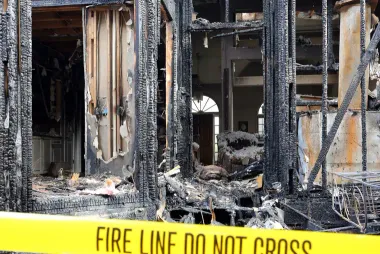
Criminal damage is the offence of intentionally or recklessly damaging property belonging to another person. In England and Wales, most criminal damage offences are prosecuted under the Criminal Damage Act 1971.
In simple terms, a criminal damage offence usually involves someone deliberately damaging another person's property or acting so recklessly that damage was a foreseeable consequence of their actions. The damage does not have to be extensive. Even relatively minor damage can result in a police investigation if the legal criteria are met.
Examples of criminal damage include:
However, not all property damage is automatically criminal. The prosecution must prove that the damage was caused intentionally or recklessly. Genuine accidents, disputes over ownership and other surrounding circumstances can all affect whether a criminal offence has actually been committed.
If the alleged damage was caused by fire, the offence may instead be prosecuted as arson, which is a separate criminal damage offence carrying more serious penalties. We explain these offences in more detail later on this page, with dedicated guidance available for specific arson allegations.
Criminal damage can take many forms, ranging from relatively minor acts of vandalism to more serious offences involving significant property damage. The key question is not simply what was damaged, but whether the prosecution can prove the damage was caused intentionally or recklessly.
Common examples of criminal damage include:
Even damage that appears minor may result in a criminal investigation. Graffiti, paint damage and other forms of vandalism can amount to criminal damage if they require cleaning, repair or restoration.
Where property is damaged by fire, the offence is usually investigated as arson rather than standard criminal damage. Arson offences often carry significantly more serious penalties, particularly where there is an allegation that another person's life was endangered.
If your case involves damage caused by fire, our specialist Arson Solicitors can advise you on the allegations, explain the legal process and provide expert representation from the earliest stage of the investigation.
Ultimately, every criminal damage allegation depends on its own facts. The circumstances surrounding the incident, the extent of the damage and the available evidence will all influence whether a criminal offence has been committed and how the case is prosecuted.
A criminal damage conviction can have consequences beyond any sentence imposed by the court. Depending on the circumstances of your case, it may affect future opportunities, your reputation and aspects of your personal and professional life. The impact will vary depending on the seriousness of the offence and your individual circumstances.
A conviction may affect:
Not every allegation results in a conviction, and not every conviction has the same consequences. Seeking specialist legal advice at the earliest opportunity gives you the best chance of challenging the allegations and protecting your future.

If you've been arrested or asked to attend a voluntary police interview, it's natural to feel uncertain about what happens next. While every case is different, the process usually follows these steps:
Seeking legal advice at the earliest opportunity can help protect your rights, ensure you are properly advised during the investigation and allow your defence to begin before any charging decision is made.
The penalty for a criminal damage offence depends on the seriousness of the allegation and the individual circumstances of the case. While some offences are dealt with by way of a fine or community order, more serious cases can result in a custodial sentence.
When deciding on sentence, the court will consider factors such as:
Every criminal damage case is unique, and there is no one-size-fits-all defence. At MMA Law, we take the time to understand exactly what happened, carefully examine the prosecution's evidence and develop a defence strategy tailored to the facts of your case. From the moment we are instructed, our focus is on identifying weaknesses in the evidence and protecting your position throughout the investigation and any court proceedings.
Not every allegation of property damage amounts to criminal damage. We begin by examining whether a criminal offence has actually occurred.
For example, we may investigate whether:
Where the legal requirements of the offence have not been met, we will robustly challenge the prosecution's case from the outset.
Many criminal damage cases turn on what the prosecution says was happening at the time of the alleged offence. Simply because damage occurred does not automatically prove that it was intentional or reckless.
Our solicitors carefully analyse the surrounding circumstances, your account of events and the available evidence to determine whether the prosecution can genuinely prove the required intent or recklessness beyond reasonable doubt.
A strong defence often depends on exposing weaknesses in the prosecution's evidence. We thoroughly review every aspect of the case, including:
We look for inconsistencies, unreliable evidence, missing information and alternative explanations that may undermine the prosecution's case.
The prosecution must disclose relevant evidence and investigate allegations fairly. If important evidence has been overlooked, disclosure obligations have not been met or investigative procedures have been flawed, we will raise these issues at the earliest opportunity and use them to strengthen your defence where appropriate.

Our approach is never limited to one legal argument. We look at the case as a whole, identifying every opportunity to challenge the allegation while preparing a robust defence for negotiation, trial or sentencing if required.
Whether your case involves alleged vandalism, damage during a dispute or more serious criminal damage allegations, our experienced criminal defence solicitors will work proactively to achieve the best possible outcome based on the facts of your case.
Criminal damage offences range from relatively minor allegations involving damage to property through to some of the most serious offences heard in the criminal courts. The exact charge will depend on the circumstances of the incident, how the damage was caused and whether there are any aggravating factors, such as the use of fire, threats to damage property or an alleged risk to life.
At MMA Law, our criminal defence solicitors represent clients facing the full spectrum of criminal damage allegations. Whether you are accused of damaging property during a dispute or facing a serious Crown Court prosecution, we have the experience to provide expert legal advice and robust representation.
Most criminal damage allegations involve claims that a person intentionally or recklessly damaged property belonging to someone else. These cases can arise from neighbour disputes, domestic incidents, vandalism, vehicle damage, graffiti or damage to commercial or residential property.
Where property is damaged by fire, the offence is usually investigated as arson rather than standard criminal damage. Depending on the circumstances, allegations can range from damage to property through to offences involving an alleged risk to life.
Our dedicated Arson Solicitors page explains how these offences are prosecuted and how our experienced criminal defence team can help.
This is one of the most serious criminal damage offences. The prosecution must prove that property was damaged by fire and that there was an intention to endanger another person's life.
If you are facing these allegations, visit our Arson With Intent to Endanger Life Solicitors page for detailed guidance on the investigation process, potential penalties and available defence strategies.
These allegations focus on whether someone acted recklessly as to the risk of endangering another person's life, rather than intending that outcome. The distinction between recklessness and intent is often a key issue in these cases.
Learn more about how these allegations are investigated and defended by visiting our Arson With Recklessness to Endanger Life Solicitors page.
Where an allegation of arson is said to be motivated by hostility towards a person's race or perceived race, additional hate crime legislation may apply. These offences are treated particularly seriously by the courts and can carry enhanced penalties.
Our Racially Aggravated Arson Solicitors page explains how these cases are prosecuted and how specialist legal representation can help.
You do not always need to damage property to face criminal proceedings. In some circumstances, making threats to destroy or damage property can itself amount to a criminal offence, particularly where the prosecution believes the threat was genuine or intended to cause fear.
Visit our Threats to Destroy or Damage Property Solicitors page to understand when these allegations arise and how our criminal defence solicitors can assist.

Facing a criminal damage allegation can be overwhelming, particularly if you've never been involved in the criminal justice system before. At MMA Law, we understand the uncertainty that comes with being arrested, invited to a voluntary police interview or charged with a criminal offence. From the moment you instruct us, our experienced criminal defence solicitors will guide you through every stage of the process, providing clear advice, practical support and robust legal representation tailored to your case.
Our criminal damage solicitors can help by:
If you have been arrested, invited to a voluntary police interview or charged with a criminal damage offence, contact MMA Law today for a free 30-minute consultation. The earlier you seek legal advice, the sooner we can begin protecting your interests and building your defence.
A criminal damage allegation does not automatically lead to a conviction. The Crown Prosecution Service (CPS) must prove every element of the offence beyond reasonable doubt. If they cannot do so, the allegation may be challenged.
Depending on the circumstances of your case, the prosecution will usually need to prove that:
Every criminal damage case turns on its own facts. At MMA Law, we carefully examine the prosecution's evidence, identify weaknesses and challenge allegations wherever the legal test has not been met.
When investigating a criminal damage allegation, the police gather evidence to establish what happened, who was responsible and whether there is enough evidence to support a prosecution. The type of evidence collected will depend on the circumstances of the case.
Police may rely on:
Not every piece of evidence is reliable or conclusive. Witnesses can be mistaken, CCTV footage may be incomplete or unclear, and digital evidence can be open to interpretation. At MMA Law, we carefully examine the prosecution's evidence, identify weaknesses and challenge any evidence that is inaccurate, unreliable or obtained unfairly.

More serious criminal damage allegations are usually dealt with in the Crown Court. If your case has been sent there, it does not mean you have been convicted. It means the allegations are considered too serious for the Magistrates' Court to deal with or that you have chosen to be tried by a jury.
Cases are more likely to be heard in the Crown Court where they involve:
These cases often involve detailed investigations, expert evidence and extensive preparation before trial.
Crown Court cases require a strategic and thorough approach. At MMA Law, we carefully review every aspect of the prosecution's case, including witness statements, CCTV footage, forensic evidence, digital material and expert reports. We identify weaknesses in the evidence, advise you throughout the proceedings and prepare the strongest possible defence based on the facts of your case.
Where expert evidence is relied upon, particularly in arson or complex criminal damage allegations, we scrutinise the prosecution's conclusions and challenge them wherever appropriate.
If your case proceeds to the Crown Court, you will have experienced criminal defence solicitors supporting you at every stage. From advising during the investigation to preparing your case for trial and representing you in court, our team will ensure you understand the process, protect your rights and present the strongest possible defence on your behalf.
If you've been arrested, invited to attend a voluntary police interview or charged with a criminal damage offence, don't wait to seek legal advice. Criminal damage allegations can often be challenged, but the decisions made during the early stages of an investigation can have a lasting impact on your case. The sooner you instruct an experienced criminal damage solicitor, the sooner your defence can begin.
Our specialist criminal damage solicitors represent clients across Middlesbrough, Teesside and throughout England and Wales. Whether your case is at the police station, before the Magistrates' Court or in the Crown Court, we're here to provide clear advice, robust representation and practical support every step of the way.
Contact us today to arrange your free 30-minute legal consultation. Call our team now or complete our online contact form, and one of our experienced criminal defence solicitors will get back to you as soon as possible. Early legal advice could make a significant difference to the outcome of your case.
Yes. Criminal damage charges can be dropped before court if the police or Crown Prosecution Service (CPS) decide there is insufficient evidence or that a prosecution is not in the public interest. Early legal representation can make a difference by identifying weaknesses in the evidence and making representations before charging decisions are made. Not every investigation results in a court appearance.
No. Not every criminal damage allegation results in a court hearing. Some investigations end with no further action, while others may be resolved through an out-of-court disposal where appropriate.
Whether your case goes to court depends on factors such as:
An experienced solicitor can advise you on the likely outcome based on the circumstances of your case.
Yes. CCTV footage can form part of the prosecution's evidence, but it is rarely enough on its own to prove guilt beyond reasonable doubt. The quality of the footage, whether the person can be clearly identified and how the footage is interpreted are all important. Your solicitor can challenge unreliable or incomplete CCTV evidence and test whether it genuinely supports the allegations.
A lawful excuse is a recognised legal defence under the Criminal Damage Act 1971. For example, you may have honestly believed the property owner would have consented to the damage, or you acted to protect property from immediate harm. Whether this defence applies depends on the facts of the case, so specialist legal advice is essential before relying on it.
Possibly. If allegations are dropped or you are found not guilty, you may be able to recover certain legal costs in some circumstances, although this depends on how your case was funded and the outcome of the proceedings. If the false allegation has caused financial loss or reputational damage, other legal remedies may also be available. A criminal defence solicitor can advise you on the options that apply to your situation.
Yes. Accidental damage is not automatically a criminal offence. In most cases, the prosecution must prove that the damage was caused intentionally or recklessly, rather than as the result of a genuine accident.
A genuine accident, such as accidentally breaking someone's property, is different from acting recklessly by taking an obvious risk that could foreseeably cause damage. The circumstances of each case are crucial, and simply because property has been damaged does not mean a criminal offence has been committed.
If you believe the damage was accidental, seek legal advice as soon as possible. Our criminal damage solicitors can assess the evidence, explain your legal position and begin building your defence from the earliest stage of the investigation.
We will assess your eligibility for Legal Aid and if you are not eligible, we will provide you with an agreed fee to represent you to conclusion of your case.
Get Your Free ConsultationNeed urgent legal advice?
© Copyright 2018 - 2026 MMA LAW in association with BBNM LAW