
How Do Police Find and Investigate Cannabis Grow Houses in the UK?
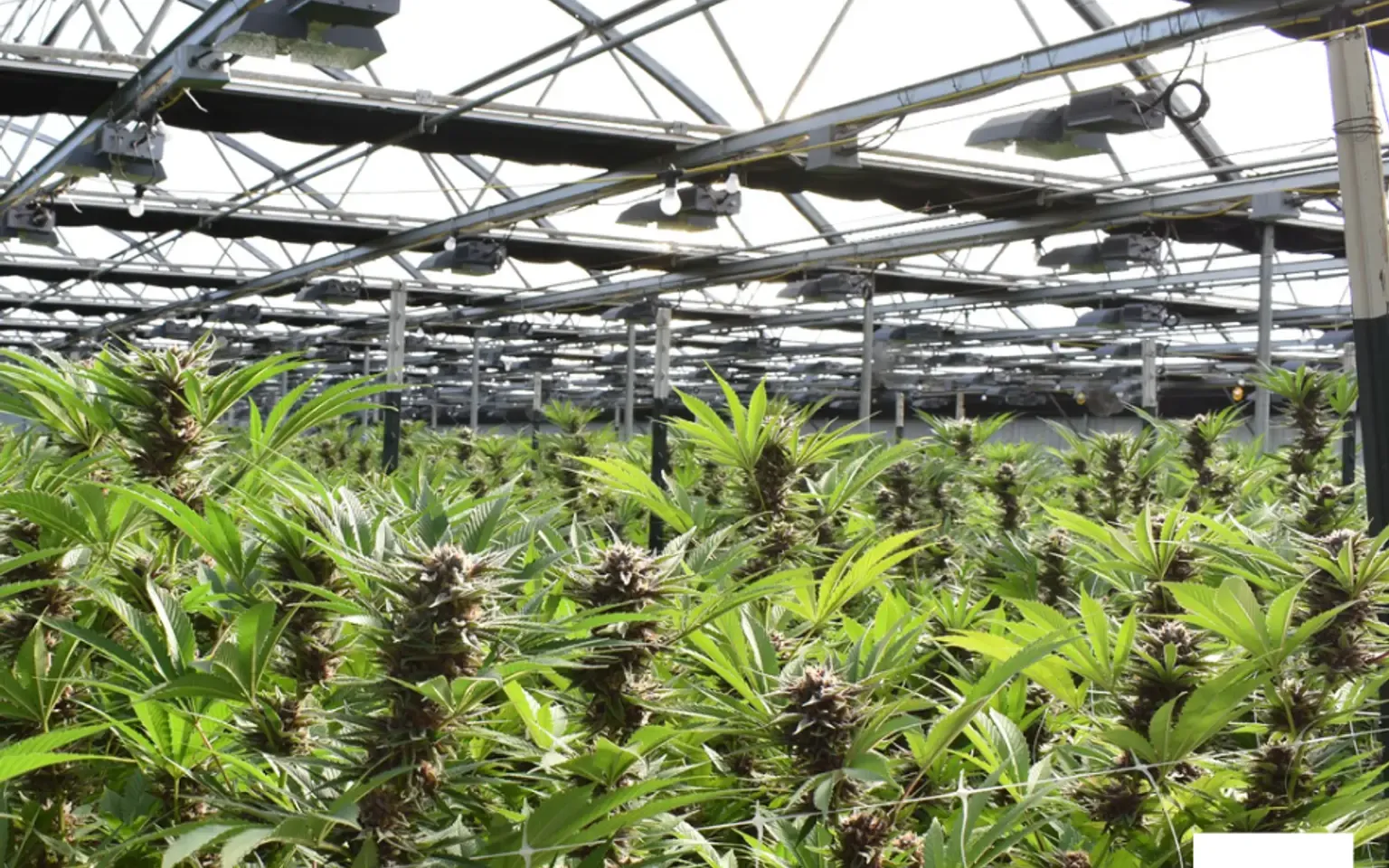
Police find cannabis grow houses through public reports, intelligence gathering, surveillance and other investigative methods. Investigations may begin with information from neighbours, landlords or other police enquiries.
Officers can then gather evidence, search properties and arrest suspected offenders where lawful grounds exist. A cannabis farm investigation can lead to serious criminal charges and imprisonment.
If police suspect you are involved in a cannabis grow house, the consequences could be severe. Even if you never grew cannabis yourself, you could still face questions about your involvement.
Police may investigate anyone linked to the property, including landlords, tenants and occupants. The evidence they uncover could determine whether you face criminal charges. However, being linked to a grow house does not automatically make you guilty.
If you are facing a cannabis cultivation investigation, you need to know:
- How police identify suspected cannabis grow houses and factories.
- What gives police the power to enter and search your property.
- What happens when police raid a suspected cannabis farm.
- What evidence officers collect and how it may be used against you.
- Which cannabis cultivation and production charges you could face.
- Whether owning, renting or occupying a grow house makes you criminally responsible.
- What prison sentences and financial penalties you could face.
- How a criminal defence solicitor can help protect your rights.
Our expert criminal defence solicitors reveal everything you need to know in this guide.
Understanding Cannabis Grow Houses and UK Drug Laws
A cannabis grow house is a property used to grow cannabis plants illegally. These properties may include houses, flats, warehouses or other commercial buildings. Some operations involve a few plants, while others operate on a much larger scale.
The terms grow house, cannabis farm and cannabis factory all describe cannabis cultivation sites. They are common descriptions rather than separate criminal offences under UK law.
Is Growing Cannabis Illegal in the UK?
Growing cannabis without lawful authority is a criminal offence in England and Wales. Cannabis is a Class B controlled drug under the Misuse of Drugs Act 1971.
Section 6 of the Act makes unauthorised cannabis cultivation illegal. This includes growing cannabis for personal use, even if only one plant is involved.
However, police may investigate several different offences linked to a grow house:
- Cannabis cultivation: Unlawfully growing cannabis plants.
- Drug production: Producing controlled drugs may involve cannabis-related activities.
- Drug supply: Supplying controlled drugs can involve selling, sharing or distributing cannabis.
- Conspiracy: Conspiracy to supply cannabis involves agreeing with others to distribute the drug unlawfully.
The scale of a grow house can affect the investigation. Police may examine plant numbers, the evidence found and each person's alleged role.
These factors can also influence criminal charges and sentencing. Larger operations may lead to more serious allegations and longer prison sentences.
How Police Identify Suspected Cannabis Grow Houses
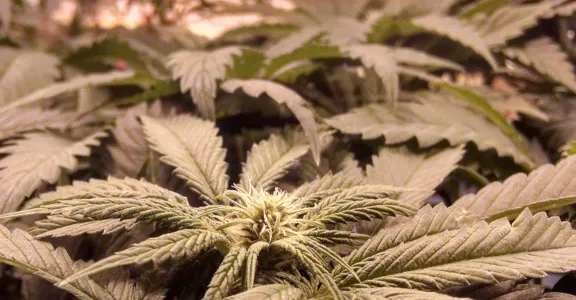
Police identify suspected cannabis grow houses through reports, intelligence gathering and lawful surveillance. Officers may receive information from the public or other criminal investigations. They then assess the evidence to decide whether further enquiries are needed. However, suspicion alone does not prove that a crime has occurred.
Intelligence, Public Reports and Police Enquiries
Many cannabis farm investigations begin when someone reports suspicious activity to the police.
Information may come from several sources:
- Neighbours: Residents may report concerns about activity at a nearby property.
- Landlords: Property owners may report concerns about how tenants use their premises.
- Members of the public: Witnesses may share information about suspected criminal activity.
- Other investigations: Police may uncover links to cannabis cultivation while investigating drug offences.
Officers must assess the information before deciding what action to take. They may compare reports with existing intelligence or conduct further enquiries.
Police may also uncover suspected grow houses during wider drug investigations. These cases often involve surveillance, phone records and intelligence about suspected drug supply. Understanding how police prove intent to supply can provide useful context.
A single report does not automatically justify an arrest or property search.
Identifying Potential Cannabis Cultivation Operations
Police may examine information about a property when investigating a suspected grow house.
This can include reports about unusual activity, property use or possible electricity supply issues. Concerns raised by landlords or utility providers may also prompt further enquiries.
However, these circumstances do not automatically prove cannabis cultivation.
Officers must consider the wider evidence before deciding whether an offence may have occurred. They must also establish lawful grounds before exercising relevant search powers.
Surveillance and Specialist Investigation Methods
Police may use surveillance to gather more evidence about suspected cannabis farms.
Depending on the circumstances, investigative methods may include:
- Police observations: Monitoring activity linked to a property.
- Surveillance: Gathering information about suspected criminal involvement.
- Thermal imaging: Using specialist equipment to assess heat patterns.
- Intelligence analysis: Examining links between people, properties and suspected offences.
Thermal imaging alone cannot confirm that a property contains cannabis plants. Other lawful activities may also produce unusual heat patterns.
Police must follow the relevant legal rules when using investigative techniques. The powers available depend on the circumstances of each investigation.
Even where officers discover a cannabis factory, they must still investigate individual responsibility. Being linked to a suspected grow house does not automatically establish criminal guilt.
The Police Investigation Process: From Suspicion to Search
Police investigate suspected cannabis grow houses by gathering intelligence, assessing evidence and conducting lawful searches. Officers may then seize items, question suspects and consider criminal charges.
However, not every investigation follows the same process. Police must have lawful grounds for each action they take.
Establishing Grounds for Further Investigation
A cannabis farm investigation often begins with reports or intelligence about a property.
Officers may review witness accounts, property records and information from other investigations. They then assess whether the available evidence supports further action.
Police may conduct additional enquiries before applying for a search warrant. In other cases, circumstances may justify more immediate action.
Suspicion alone does not prove cannabis cultivation or establish someone's guilt.

Search Warrants and Police Powers of Entry
Police have several legal powers to enter and search suspected cannabis grow houses.
The Police and Criminal Evidence Act 1984 (PACE) sets out important search powers and safeguards. PACE Code B also provides rules governing searches of premises and property seizure.
Police may enter a property:
- With a search warrant: A court authorises entry where the legal requirements are met.
- Without a warrant: Certain circumstances allow entry under specific statutory powers.
- Following an arrest: Police may search relevant premises where the applicable legal conditions are satisfied.
Police do not always need a warrant to search a suspected cannabis factory. However, officers must have a lawful basis for entering the property.
What Happens During a Cannabis Farm Raid?
During a cannabis farm raid, police will usually secure the property first.
Officers may then:
- Identify everyone present and establish their connection to the premises.
- Assess immediate risks and take appropriate safety precautions.
- Search the property for cannabis plants and other relevant evidence.
- Photograph, document and seize items linked to suspected offences.
- Arrest suspects where the legal grounds for arrest are satisfied.
Being present during a raid does not automatically mean you will be arrested.
What Happens After the Property Has Been Searched?
A police investigation can continue long after officers leave the property.
Investigators may examine seized devices, review documents and request forensic testing. They may also interview suspects under caution or seek further evidence.
If police request an interview, you should obtain legal advice first. Even a voluntary police interview can lead to criminal charges.
Evidence Used in Cannabis Grow House Investigations
Police use physical, forensic, digital and financial evidence to investigate suspected cannabis grow houses. This evidence helps establish whether cannabis cultivation occurred and who may be responsible.
However, finding evidence inside a property does not automatically prove someone's guilt. Investigators must link the evidence to the person and the alleged offence.
Physical and Forensic Evidence
During a cannabis production investigation, police may collect several types of physical evidence.
These include:
- Cannabis plants: To establish the presence and scale of suspected cultivation.
- Cultivation equipment: Items that may support allegations of cannabis production.
- Fingerprints: To identify people who may have handled relevant objects.
- DNA evidence: To examine possible links between individuals and recovered items.
- Documents: Tenancy agreements, letters and other records connecting people to the property.
Police may also photograph the premises and document where evidence was found.
However, fingerprints or DNA do not always prove involvement in cannabis cultivation. Each finding must be assessed alongside the wider evidence.
Digital and Financial Evidence
Police may examine phones, computers and financial records during cannabis farm investigations.
Investigators may look for:
- Messages discussing cannabis cultivation or drug supply.
- Call records linking suspects to other individuals.
- Bank transactions suggesting payments linked to suspected offences.
- Digital records connecting individuals to the property.
This evidence may help establish a person's alleged knowledge or involvement.
However, investigators must consider who used a device or controlled an account. A message or transaction does not automatically prove criminal activity.
Establishing Knowledge, Control and Involvement
Being present inside a cannabis grow house does not automatically make someone criminally responsible.
Police must examine each person's connection to the alleged offence.
For example, a landlord may own the property without knowing about illegal cultivation. A tenant may also dispute their involvement in the operation.
The prosecution must prove the relevant elements of the offence beyond reasonable doubt.
Our criminal defence team examines how police obtained and interpreted the evidence. We also assess whether it supports the allegations against our client.
Criminal Responsibility: Property Owners, Occupants and Exploited Individuals
Not everyone linked to a cannabis grow house is automatically guilty of a crime. Criminal responsibility depends on each person's knowledge, actions and involvement in the alleged offence.
Police may investigate landlords, tenants, property owners and people found inside the premises. However, their legal positions can differ significantly.
Landlords, Tenants and Property Owners
Owning or renting a cannabis grow house does not automatically establish criminal responsibility.
A landlord may discover that tenants have used their property for cannabis cultivation. However, property ownership alone does not prove the landlord knew about the operation.
Section 8 of the Misuse of Drugs Act 1971 addresses certain offences involving premises. It can apply where someone knowingly permits specified drug-related activities on premises they manage or occupy.
The prosecution must prove the relevant legal requirements before securing a conviction.
Individuals Found Working Inside Cannabis Farms
People found inside cannabis farms may have very different levels of involvement.
Police may investigate:
- Organisers: People suspected of planning or controlling the operation.
- Active participants: Individuals allegedly involved in growing cannabis or managing the premises.
- Other occupants: People whose knowledge or involvement remains unclear.
Simply being present does not prove participation in cannabis cultivation.
Police must examine each person's actions and the available evidence. The prosecution must then prove the specific offence beyond reasonable doubt.
Modern Slavery, Coercion and Criminal Exploitation
Some people found inside cannabis grow houses may be victims of criminal exploitation.
Organised crime groups may use threats, violence or coercion to force people into cannabis cultivation.
The Modern Slavery Act 2015 provides important protections for victims of exploitation. Section 45 may provide a defence to certain offences where its legal conditions are met.
However, exploitation does not automatically prevent prosecution or guarantee a successful defence.
Potential victims may also be referred through the National Referral Mechanism (NRM). This process helps identify and support possible victims of modern slavery.
At MMA Law, we understand that cannabis cultivation cases can involve complex personal circumstances. Our criminal defence team examines each client's alleged role, evidence and potential defence options.
Criminal Responsibility: Property Owners, Occupants and Exploited Individuals
Not everyone linked to a cannabis grow house is automatically guilty of a crime. Criminal responsibility depends on each person's knowledge, actions and involvement in the alleged offence.
Police may investigate landlords, tenants, property owners and people found inside the premises. However, their legal positions can differ significantly.
Landlords, Tenants and Property Owners
Owning or renting a cannabis grow house does not automatically establish criminal responsibility.
A landlord may discover that tenants have used their property for cannabis cultivation. However, property ownership alone does not prove the landlord knew about the operation.
Section 8 of the Misuse of Drugs Act 1971 addresses certain offences involving premises. It can apply where someone knowingly permits specified drug-related activities on premises they manage or occupy.
The prosecution must prove the relevant legal requirements before securing a conviction.
Individuals Found Working Inside Cannabis Farms
People found inside cannabis farms may have very different levels of involvement.
Police may investigate:
- Organisers: People suspected of planning or controlling the operation.
- Active participants: Individuals allegedly involved in growing cannabis or managing the premises.
- Other occupants: People whose knowledge or involvement remains unclear.
Simply being present does not prove participation in cannabis cultivation.
Police must examine each person's actions and the available evidence. The prosecution must then prove the specific offence beyond reasonable doubt.
Modern Slavery, Coercion and Criminal Exploitation
Some people found inside cannabis grow houses may be victims of criminal exploitation.
Organised crime groups may use threats, violence or coercion to force people into cannabis cultivation.
The Modern Slavery Act 2015 provides important protections for victims of exploitation. Section 45 may provide a defence to certain offences where its legal conditions are met.
However, exploitation does not automatically prevent prosecution or guarantee a successful defence.
Potential victims may also be referred through the National Referral Mechanism (NRM). This process helps identify and support possible victims of modern slavery.
Cannabis Cultivation Sentencing and Legal Consequences
Cannabis cultivation can lead to imprisonment, fines and a criminal record. The sentence depends on the offence, its seriousness and the person's involvement.
Courts follow the relevant Sentencing Council guidelines when assessing cannabis cultivation offences.
Maximum Penalties for Cannabis Cultivation and Production
Cannabis cultivation and drug production are separate offences under the Misuse of Drugs Act 1971.
The maximum penalties depend on the offence and the court hearing the case.
- Cannabis cultivation: Section 6 carries a maximum sentence of 14 years' imprisonment.
- Cannabis production: Section 4 also carries a maximum sentence of 14 years for Class B drugs.
- Financial penalties: Courts may impose an unlimited fine for either offence.
These are statutory maximum penalties, not the sentences imposed in every case.
Less serious offences may result in community orders or suspended prison sentences. More serious operations can lead to immediate imprisonment.

How Courts Assess the Seriousness of a Cannabis Cultivation Offence
The Sentencing Council's drug offences guidelines help courts decide appropriate sentences.
Judges consider several factors:
- Number of plants: The scale of cultivation can affect the harm assessment.
- Offender's role: Organisers may face greater penalties than those with limited involvement.
- Culpability: Courts assess the person's responsibility and level of participation.
- Aggravating factors: Organised crime, exploitation and previous convictions may increase sentences.
- Mitigating factors: Genuine remorse, vulnerability and limited involvement may reduce sentences.
For example, someone directing a large cannabis factory may face greater penalties. A person acting under pressure may have different circumstances requiring careful assessment.
Legal Representation During a Cannabis Grow House Investigation
If police link you to a cannabis grow house, seek legal advice immediately. What you say during an interview could affect your entire case.
A criminal defence solicitor can protect your rights and explain your legal position. This is important even if you have not been charged.
At MMA Law, our team can help you by:
- Police station representation: Providing legal advice before and during police interviews.
- Explaining the allegations: Helping you understand the suspected offences and potential consequences.
- Reviewing evidence: Examining police reports, forensic findings, messages and other available prosecution evidence.
- Challenging allegations: Assessing whether the evidence supports the offence police suspect.
- Establishing your involvement: Investigating disputed claims about your knowledge, actions or connection to the property.
- Preparing your defence: Advising you throughout the investigation and any subsequent court proceedings.
Early advice is especially important when several people are linked to one property. Your defence may depend on proving what you knew and did.
Some cases also involve threats, coercion or criminal exploitation. These circumstances require careful legal assessment.
Our drug conspiracy solicitors can advise you from the earliest stages of a cannabis farm investigation.
Frequently Asked Questions About Cannabis Grow House Investigations
Can Police Detect Cannabis Farms Using Thermal Imaging?
Yes, police can use thermal imaging when investigating suspected cannabis farms. However, its use must comply with the relevant legal requirements.
Thermal imaging cameras detect differences in heat emitted by buildings and other objects. Police may use this information alongside reports, surveillance and other evidence.
However, unusual heat patterns do not automatically prove that cannabis is being grown. Many lawful activities can produce heat within a property.
Officers must assess the wider evidence before reaching conclusions. Thermal imaging alone does not establish a criminal offence or prove someone's involvement.
Do Electricity Companies Report Suspected Cannabis Farms to the Police?
Yes, electricity companies may report suspected cannabis farms to the police. This can happen when they identify information suggesting unlawful activity.
However, an unusual electricity reading does not automatically trigger a police investigation. Electricity usage can vary for many legitimate reasons.
Energy suppliers may raise concerns about suspected meter tampering or electricity theft. Police may then assess this information alongside other reports or intelligence.
Any investigation must follow the relevant legal procedures. A report from an electricity company does not prove cannabis cultivation.
Police must still gather evidence before deciding whether further action is justified.
Is Growing One Cannabis Plant Illegal in the UK?
Yes, growing even one cannabis plant without lawful authority is illegal in the UK. Section 6 of the Misuse of Drugs Act 1971 prohibits unauthorised cannabis cultivation.
This applies even when someone grows cannabis solely for personal use.
There is no general exemption allowing individuals to grow small amounts at home. Cannabis remains a Class B controlled drug.
However, the number of plants can affect how an offence is assessed. Courts consider the scale of cultivation, the person's role and other relevant circumstances.
Growing one plant does not automatically lead to imprisonment. The outcome depends on the evidence and seriousness of the offence.
How Many Cannabis Plants Are Considered a Commercial Operation?
There is no single plant-number threshold that automatically makes cannabis cultivation a commercial operation.
Police and courts consider the circumstances surrounding the suspected offence. The number of plants is important, but it is not the only factor.
Relevant considerations may include:
- Scale: The number of plants and size of the operation.
- Purpose: Evidence suggesting personal use or commercial supply.
- Organisation: Whether several people were involved in running the operation.
- Individual role: Whether someone organised, managed or assisted with cultivation.
The Sentencing Council's drug offences guidelines help courts assess harm and culpability.
A large number of plants may indicate serious offending. However, sentencing depends on the wider evidence and each person's involvement.
Can Police Seize a Property Used as a Cannabis Grow House?
Police may seize evidence from a cannabis grow house, but taking ownership of the property involves different legal powers.
During a lawful search, officers may seize cannabis plants, equipment, documents and other relevant items.
However, this differs from restraining or confiscating property under the Proceeds of Crime Act 2002.
Property-related consequences may include:
- Evidence seizure: Police remove items relevant to their investigation.
- Restraint orders: Courts may restrict dealings with certain assets.
- Confiscation proceedings: Courts may order offenders to pay sums linked to criminal benefit.
Owning a property used for cannabis cultivation does not automatically establish criminal liability.
The legal position depends on the circumstances and applicable powers.
How Long Can a Cannabis Cultivation Investigation Take?
A cannabis cultivation investigation can take weeks, months or longer, depending on its complexity.
There is no fixed timeframe for every cannabis farm investigation. Some cases involve straightforward evidence, while others require extensive enquiries.
Several factors can affect the investigation's length:
- The number of suspects involved.
- The amount of evidence seized.
- Forensic testing of drugs and other materials.
- Examination of phones and financial records.
- The need for further interviews or witness statements.
Police may release suspects under investigation while enquiries continue.
If you are under investigation, seek legal advice early. A criminal defence solicitor can explain your position and advise you throughout the process.

How MMA Law Can Help You
Facing a cannabis cultivation investigation? Your freedom and future could be at risk.
Police may be examining your phone, financial records or links to a property. You could face serious criminal charges, even if you dispute your involvement.
At MMA Law, we understand how frightening these allegations can be. Our experienced criminal defence team represents clients across Middlesbrough, Teesside and England and Wales.
We provide confidential advice, police station representation and defence throughout criminal court proceedings. We examine the evidence, challenge allegations where appropriate and explain your legal options.
Don't wait until police decide whether to charge you.
Book your free, no-obligation 30-minute consultation to discuss your circumstances with our team. Alternatively, contact MMA Law today.
