
Released on Police Bail: Conditions, Time Limits & What Happens Next

If you've just been released on police bail, you're probably wondering what happens next. Will you be charged? How long will the investigation take? And what can you do while you're on bail?
Pre-charge bail means you've been released from police custody while the police continue their investigation. You haven't been charged with a criminal offence.
Although you're free to leave the police station, you may have conditions to follow. You might also need to return for further questioning.
Being released on bail doesn't mean you're guilty, and it doesn't mean you'll definitely be charged.
In this guide, our criminal defence solicitors explain:
- What being released on police bail means.
- Which bail conditions you may have to follow.
- How long police bail can last.
- Whether your bail can be extended or changed.
- What happens when you return to the police station.
- How MMA Law can help you understand your rights and what to expect next.
Understanding Pre-Charge Police Bail
If you've been released on police bail, you might be unsure what this means for your case. Understanding why the police have released you can help you prepare for what happens next.
What Is Pre-Charge Bail?
Pre-charge bail means you've been released from police custody without being charged, while the police continue investigating a suspected offence.
You may have been arrested, questioned during a police interview and then released on bail. This means you're no longer being held in custody, but the investigation remains ongoing.
Pre-charge bail is governed by the Police and Criminal Evidence Act 1984 (PACE). It's different from court bail, which applies after someone has been charged with an offence.
Being released on police bail doesn't mean you'll definitely be charged.
Why Do Police Release Suspects on Bail?
Police may release you on bail when they need more time to investigate the allegations.
For example, officers might still need to:
- Interview witnesses or gather further evidence.
- Examine mobile phones, computers or other devices.
- Wait for forensic test results.
- Assess risks to victims, witnesses or the investigation.
- Seek advice from the Crown Prosecution Service (CPS).
Police must follow legal requirements when deciding whether bail is necessary and proportionate.
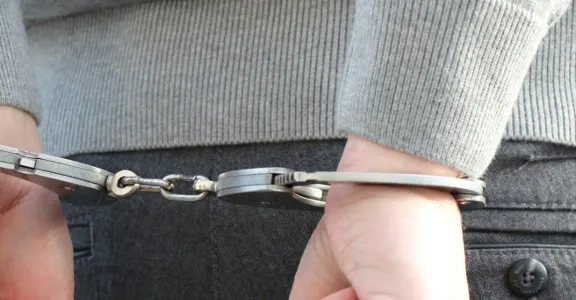
Conditional and Unconditional Police Bail
Police bail can be conditional or unconditional.
If you're released on conditional bail, you must follow specific restrictions set by the police.
If you're released on unconditional bail, you won't have additional bail restrictions. However, you may still need to return to the police station when instructed.
Your bail notice should explain the arrangements that apply to you.
If you're unsure what your conditions mean, MMA Law's criminal defence solicitors can explain your obligations and advise you on the next steps.
Police Bail Conditions and What They Mean
Police bail conditions are restrictions you must follow while you're released from custody during an ongoing criminal investigation.
The police may impose conditions to protect individuals, prevent further offences or reduce risks to the investigation.
However, any conditions must meet the relevant legal requirements. They should be necessary and proportionate to the circumstances of your case.
Common Types of Police Bail Conditions
If you're released on pre-charge conditional bail, you may be required to:
- Avoid contacting certain people: You may be prohibited from contacting named individuals, directly or indirectly.
- Stay away from specific locations: This could include someone's home, workplace or another specified address.
- Live at a particular address: You may be required to reside at an agreed location.
- Report to a police station: You might need to attend at specified times.
- Follow a curfew: You may have to remain at an address during certain hours.
- Follow travel restrictions: You could be prevented from visiting particular areas or leaving the country.
Not everyone released on police bail faces these restrictions. Your conditions will depend on the allegations and circumstances.
How Bail Conditions Can Affect Everyday Life
Police bail conditions can sometimes make everyday life difficult.
For example, you might be unable to return home, visit family members or follow your usual work arrangements.
If you're accused of an offence involving a former partner, you may be prohibited from contacting them. This could complicate arrangements involving your children or shared property.
However, being on police bail doesn't automatically prevent you from working, travelling or seeing your family. What you're allowed to do depends on your specific conditions.
If your restrictions are causing problems, MMA Law can assess whether there's a legal basis to request changes.
What Happens if You Breach Police Bail Conditions?
Breaching pre-charge police bail conditions is not generally a separate criminal offence, but it can lead to your arrest.
Under the Police and Criminal Evidence Act 1984, officers may have grounds to arrest you if they reasonably suspect you've breached your conditions.
You could then be taken back into police custody while officers consider the appropriate next steps.
Certain actions involved in a breach may also constitute separate criminal offences.
Even if you believe a condition is unfair, you must continue following it unless it's lawfully changed or removed.
If you're struggling with your restrictions, contact MMA Law for your free 30 minute legal consultation. Our solicitors can review your bail conditions and advise whether they can be challenged.
Changing or Challenging Police Bail Conditions
Yes, police bail conditions can be changed or removed if there's a valid legal reason. If your restrictions are affecting your family, employment or everyday life, you may be able to challenge them.
You don't necessarily have to wait until your next bail date to request a change.
When Can Bail Conditions Be Changed?
Your circumstances may change after you've been released on police bail. Conditions that were initially considered necessary may no longer be appropriate.
For example, you might have grounds to request changes if:
- Your living arrangements change: You're unable to stay at the address specified in your conditions.
- Your employment is affected: Restrictions prevent you from attending work or carrying out essential duties.
- Your family circumstances change: Contact restrictions are affecting childcare or other family responsibilities.
- New evidence becomes available: Developments in the investigation affect the reasons for imposing restrictions.
- Conditions become disproportionate: The restrictions are no longer necessary or justified.
Depending on the circumstances, the police or Magistrates' Court may have powers to vary your conditions.

How Can a Solicitor Challenge Bail Conditions?
If you're struggling with police bail restrictions, MMA Law's criminal defence solicitors can review your situation and advise on your options.
Our team can:
- Review your bail notice and the restrictions imposed.
- Assess whether the conditions meet the legal requirements under the Police and Criminal Evidence Act 1984.
- Gather supporting information about the difficulties you're experiencing.
- Make formal representations to the police requesting changes.
- Consider an application to the Magistrates' Court where appropriate.
A successful challenge isn't guaranteed. Any decision will depend on the circumstances, the legal requirements and the reasons for imposing the conditions.
In some cases, police may consider releasing someone without bail conditions while enquiries continue. Our guide to being released under investigation explains how this differs from police bail.
If your bail conditions are causing difficulties, contact us for advice, before taking any action that could breach them.
Police Bail Time Limits and Extensions
In England and Wales, pre-charge police bail usually lasts up to three months initially. However, police can extend this period if further investigation is needed and the legal requirements are met.
Being on bail for several months doesn't automatically mean you'll be charged. It may simply mean the police haven't finished their enquiries.
How Long Can Police Keep You on Pre-Charge Bail?
The Police and Criminal Evidence Act 1984 (PACE) sets out the time limits for pre-charge bail. These were amended by the Police, Crime, Sentencing and Courts Act 2022.
For standard investigations, the following time limits apply:
Stage
Maximum total bail period
Who authorises it?
Initial police bail
3 months
Custody officer
First extension
6 months
Inspector
Second extension
9 months
Superintendent
Further extensions
Beyond 9 months
Magistrates' Court
These are the standard applicable bail periods, not automatic extensions.
Different rules apply to certain investigations involving the National Crime Agency, Serious Fraud Office, HMRC and Financial Conduct Authority. Exceptionally complex cases may also follow different procedures.
The statutory bail clock can also be suspended in certain circumstances, including when a case is referred to the Crown Prosecution Service for a charging decision.
You can find further information about these rules in the government's Pre-charge Bail Statutory Guidance.
Why Do Police Extend Bail?
Police may extend pre-charge bail when they need more time to investigate an alleged offence or reach a charging decision.
Common reasons include:
- Waiting for forensic examination results.
- Reviewing mobile phones or other electronic evidence.
- Obtaining further witness statements.
- Investigating complex financial or criminal activity.
- Awaiting outstanding enquiries before deciding whether to charge.
However, police cannot extend bail simply because an investigation remains open.
Extensions must satisfy the relevant legal tests. These include whether further time is needed, whether enquiries are progressing diligently and whether continued bail is necessary and proportionate.
You or your solicitor may also make representations before certain extensions are authorised.
If police ask you to attend another interview during the investigation, seek legal advice beforehand. Our guide to voluntary police interviews and your rights explains what to expect when questioned under caution.
How Many Times Can Police Extend Bail?
There is no fixed maximum number of times police bail can be extended in every case. However, each extension must follow the statutory rules.
In standard cases, an inspector can authorise bail up to six months. A superintendent can extend it to nine months.
Beyond this, further extensions generally require approval from the Magistrates' Court.
The court must consider whether the legal requirements are satisfied. Further extensions are not guaranteed.
If you've been on police bail for several months, MMA Law can review your circumstances, explain the applicable time limits and advise whether continued bail can be challenged.
Importantly, reaching nine months doesn't automatically end the investigation. Police may seek further lawful extensions or continue investigating under different release arrangements.
If the investigation eventually results in a prosecution, our guide explains what happens after the CPS decides to charge, including the next stages of the criminal justice process.
Returning to the Police Station After Bail
When you return to the police station to answer bail, the police will tell you what happens next in your case. You may be released again, have your bail extended or be charged with an offence.
If you've been given a bail return date, you must follow the instructions on your bail notice unless the arrangements are lawfully changed.
What Happens When You Answer Police Bail?
Returning to the police station doesn't automatically mean you'll be arrested again or charged.
Depending on the investigation, several things could happen:
- Further investigation: Police may explain that enquiries are continuing or request another interview.
- Bail extension: Your bail may be extended if the legal requirements are met.
- No further action: Police may confirm that they won't be pursuing the allegations.
- Criminal charges: You may be formally charged if a decision to prosecute has been made.
- Release under investigation: Your bail may end while the investigation continues without bail conditions.
Not every bail return involves another police interview. Sometimes, officers simply update you about the investigation or your release arrangements.
What if the Police Change Your Bail Return Date?
Police can change your bail return arrangements, but you should obtain clear confirmation before relying on a new date.
You may receive updated instructions from the investigating officer or custody team.
If you're unsure whether you still need to attend, contact your solicitor or the police station.
Don't assume your bail has ended simply because you haven't received an update.
Preparing for Your Bail Return Date
Before returning to the police station, you should:
- Check your bail notice for the correct date, time and location.
- Confirm your arrangements if you've received conflicting information.
- Contact your solicitor before attending, especially if further questioning is possible.
- Bring any requested documents or information.
- Continue following your bail conditions unless they've been lawfully changed.
If you're worried about returning to the police station, MMA Law can help you prepare. Speak to our team today.

Police Investigations and Possible Outcomes
If you've been released on police bail, one of your biggest concerns is probably whether you'll face criminal charges.
The outcome depends on the evidence gathered, the alleged offence and the decisions made during the investigation.
Does Pre-Charge Bail Mean You Will Be Charged?
No, being released on pre-charge bail does not mean you'll necessarily be charged with a criminal offence.
Police bail simply means the investigation is ongoing and you've been released from custody while enquiries continue.
Officers may still need to interview witnesses, examine evidence or obtain forensic results before making a decision.
Being placed on bail doesn't automatically indicate how strong the evidence is against you.
What Happens When the Investigation Ends?
After pre-charge bail, you may be released without charge, remain under investigation or face criminal charges.
There are several possible outcomes:
- No further action (NFA): Police decide not to pursue the allegations, and you're informed that no further action will be taken at that stage.
- Further investigation: Officers need more time to gather evidence. Your bail may be extended where legally permitted.
- Release under investigation (RUI): Your bail ends, but police continue investigating without imposing pre-charge bail conditions.
- Criminal charge: You're formally accused of an offence and may need to attend court.
The Crown Prosecution Service (CPS) makes charging decisions in cases that require its involvement. Police can also authorise charges for certain offences.
A charging decision depends on the applicable legal tests and available evidence.
Can Police Bail Be Cancelled or Ended Early?
Yes, pre-charge police bail can be cancelled or ended before your original return date.
For example, police may decide that bail is no longer necessary or that the investigation should continue without bail conditions.
You may also be informed that no further action will be taken.
However, the end of police bail doesn't always mean the investigation has finished. You could still be contacted by police or face a charging decision later.
If your bail arrangements change, ask for written confirmation and check whether any restrictions still apply.
Police Bail vs Release Under Investigation
The main difference between pre-charge police bail and release under investigation (RUI) is that police bail can include restrictions and statutory time limits, while RUI does not.
Both allow you to leave police custody without being charged. However, the police investigation continues in either situation.
What's the Difference Between Police Bail and RUI?
Feature
Pre-charge police bail
Release under investigation
Have you been charged?
No
No
Bail conditions
May apply
No bail conditions under RUI
Statutory time limits
Yes
No equivalent general framework
Investigation continues
Yes
Yes
Police station return date
May be required
No bail return date
If you're released under investigation, you won't have police bail conditions to follow. However, you may still be contacted for further questioning or charged later.
Police must follow the relevant legal requirements when deciding which release arrangement is appropriate.
Neither outcome means the investigation has ended or that you'll definitely face charges.
For a more detailed explanation, read our guide to being released under investigation, including what happens next and your legal rights.
Frequently Asked Questions About Police Bail
Can I Go on Holiday While on Police Bail?
Yes, you may be able to go on holiday while on police bail, provided your bail conditions don't prohibit it. Being released on pre-charge bail doesn't automatically prevent you from travelling within the UK or abroad.
However, you must check your bail notice before making travel arrangements.
Your conditions may include:
- Restrictions on leaving the UK.
- A requirement to surrender your passport.
- Restrictions on visiting certain locations.
- Reporting requirements or curfews that affect your travel plans.
If your holiday conflicts with your bail conditions, MMA Law's criminal defence solicitors can review your restrictions and advise whether changes can be requested.
Never travel in breach of your bail conditions. Our team can help you understand what's permitted and make representations to the police where appropriate.
Will Police Bail Appear on a DBS Check?
Being released on police bail doesn't automatically appear on a basic or standard DBS check because bail itself isn't a criminal conviction. However, information about an ongoing police investigation may be disclosed in certain circumstances.
A basic Disclosure and Barring Service (DBS) check shows unspent convictions and conditional cautions. Standard checks can include additional spent convictions and cautions, subject to filtering rules.
An enhanced DBS check may also include relevant information held by police, even where no conviction has occurred.
For example, information about an ongoing investigation could be disclosed if the police reasonably believe it's relevant to the role and ought to be included.
Disclosure isn't automatic. The decision depends on the circumstances, the type of check and the applicable legal requirements.
If you're concerned about how an investigation could affect your employment, MMA Law can explain the relevant legal considerations and advise on your circumstances.
Can I Refuse to Answer Questions When I Return to the Police Station on Bail?
Yes, you generally have the right to remain silent during a police interview when you return to answer bail. However, choosing not to answer questions can have legal consequences in certain circumstances.
Under the Criminal Justice and Public Order Act 1994, a court may sometimes draw adverse inferences from your silence if you later rely on facts you could reasonably have mentioned during questioning.
This doesn't mean you must answer every question.
If police want to interview you again, you have the right to free independent legal advice at the police station.
MMA Law provides police station representation and advice before and during questioning. Our criminal defence solicitors can explain the allegations, assess the available information and advise whether to answer questions, provide a prepared statement or exercise your right to silence.
Contact MMA Law before your interview so our team can help you prepare.
Do Police Check Whether You Are Staying at Your Bail Address?
Yes, police may check whether you're staying at your specified bail address if your conditions require you to live there. However, checks aren't automatic in every case.
The level of monitoring depends on the investigation, the restrictions imposed and any identified risks.
Police may verify compliance through visits, enquiries or other lawful investigative methods.
If your bail conditions require you to live at a particular address, staying elsewhere without an authorised change could amount to a breach.
This may give police grounds to arrest you, even though breaching a pre-charge bail condition isn't generally a separate criminal offence.
If you need to move or temporarily stay somewhere else, MMA Law can review your bail conditions and advise whether a formal variation is needed. Our solicitors can also make representations to the police on your behalf.
What Happens if I Miss My Police Bail Date?
If you miss your police bail return date without a reasonable excuse, you could be arrested. The consequences depend on why you failed to attend and the circumstances of your case.
Under the Police and Criminal Evidence Act 1984, police have powers to arrest someone who fails to answer pre-charge bail at the required time.
If you've missed your appointment:
- Contact MMA Law immediately. Our criminal defence solicitors can advise you on the next steps.
- Notify the police. Obtain clear instructions about when and where you should attend.
- Keep supporting evidence. Retain any documents explaining why you missed your appointment.
- Follow revised instructions. Continue complying with your existing bail conditions unless they're lawfully changed.
Missing your bail date doesn't automatically mean you'll be charged with the original offence.
However, you shouldn't ignore the situation. MMA Law can help you communicate with the police and understand the potential consequences.
Can I Be Arrested Again While on Pre-Charge Bail?
Yes, you can be arrested again while on pre-charge bail if the police have lawful grounds to do so. Being released on bail doesn't prevent further arrest during an ongoing criminal investigation.
For example, police may arrest you if:
- They reasonably suspect you've breached a bail condition.
- They have grounds to suspect your involvement in a further offence.
- New evidence provides lawful grounds for arrest, and the applicable arrest requirements are met.
However, police cannot automatically arrest you simply because you're still under investigation.
The relevant powers and legal requirements depend on the circumstances.
If you're arrested again, you have the right to request free independent legal advice at the police station.
MMA Law's criminal defence solicitors can provide police station representation, advise you during questioning and help you understand the allegations.
Does Being on Police Bail Affect Your Driving Licence?
No, being released on pre-charge police bail doesn't automatically suspend your driving licence or prevent you from driving. However, separate legal restrictions may apply depending on the offence and your circumstances.
For example, if you're being investigated for a driving offence, police bail alone doesn't mean you've been disqualified.
However, you may be unable to drive if:
- A court has already disqualified you.
- Your driving licence has been revoked or suspended under separate legal powers.
- A specific lawful restriction prevents you from driving in certain circumstances.
You must also hold a valid licence and meet the usual legal requirements for driving.
If you're unsure whether you're legally allowed to drive, MMA Law can review your circumstances and advise on any restrictions affecting you.
How Can MMA Law Criminal Defence Solicitors Help?
If you've been released on police bail, MMA Law's experienced criminal defence solicitors can help you understand your rights, challenge restrictive conditions and prepare for what happens next.
We understand how stressful an ongoing police investigation can be. You may be worried about your family, your job or whether you'll face criminal charges.
Our team provides practical legal advice and representation throughout the investigation.
How Our Criminal Defence Team Can Support You
At MMA Law, we can help with:
- Urgent police station representation: Legal advice and support following an arrest or during police questioning.
- Reviewing bail conditions: Explaining your restrictions and assessing whether they're necessary and proportionate.
- Challenging restrictions: Making representations to the police or applying to the court where appropriate.
- Preparing for bail return dates: Helping you understand what to expect and advising you before further interviews.
- Dealing with investigators: Communicating with police and reviewing developments in your case.
- Preparing your defence: Examining the allegations, assessing available evidence and representing you if charges follow.

Speak to MMA Law About Your Police Bail
Based in Middlesbrough, our criminal defence solicitors represent clients across Teesside and beyond.
You don't have to wait until you're charged to get legal advice. The sooner you contact us, the sooner we can assess your circumstances and explain your options.
Contact MMA Law today for confidential criminal defence advice.
